
Three Days Between Rotterdam and Schiedam
Rotterdam is very different from Amsterdam, and that is exactly why it stands out. The city began as a settlement connected to the Rotte River and developed into a major port, but the Rotterdam people know today was shaped above all by the Second World War and the rebuilding that followed. Instead of simply recreating what had been lost, the city chose a more forward-looking identity, which is why Rotterdam is now so strongly associated with modern architecture, bold design, and an almost constantly changing skyline. That mix of port history and experimental architecture gives it a very specific energy compared with other Dutch cities.
Because part of my family lives there, this was already my sixth time in Rotterdam. Still, the trip felt fresh. I returned to some of the places that almost everyone visits in the city, but I also focused more on coffee this time and finally added Schiedam, which I had never properly visited before. So even though Rotterdam was familiar to me, this trip still gave me a new version of it.
Erasmusbrug
The Erasmusbrug is one of the clearest symbols of modern Rotterdam. The bridge stretches about 800 metres across the Maas and connects the northern and southern parts of the city. Its dramatic white pylon and cable structure gave it the nickname “The Swan,” and it has become one of the most recognizable images of Rotterdam. It is not just a practical crossing, but one of those landmarks that immediately tells you what kind of city you are in
Kijk-Kubus Museum-house
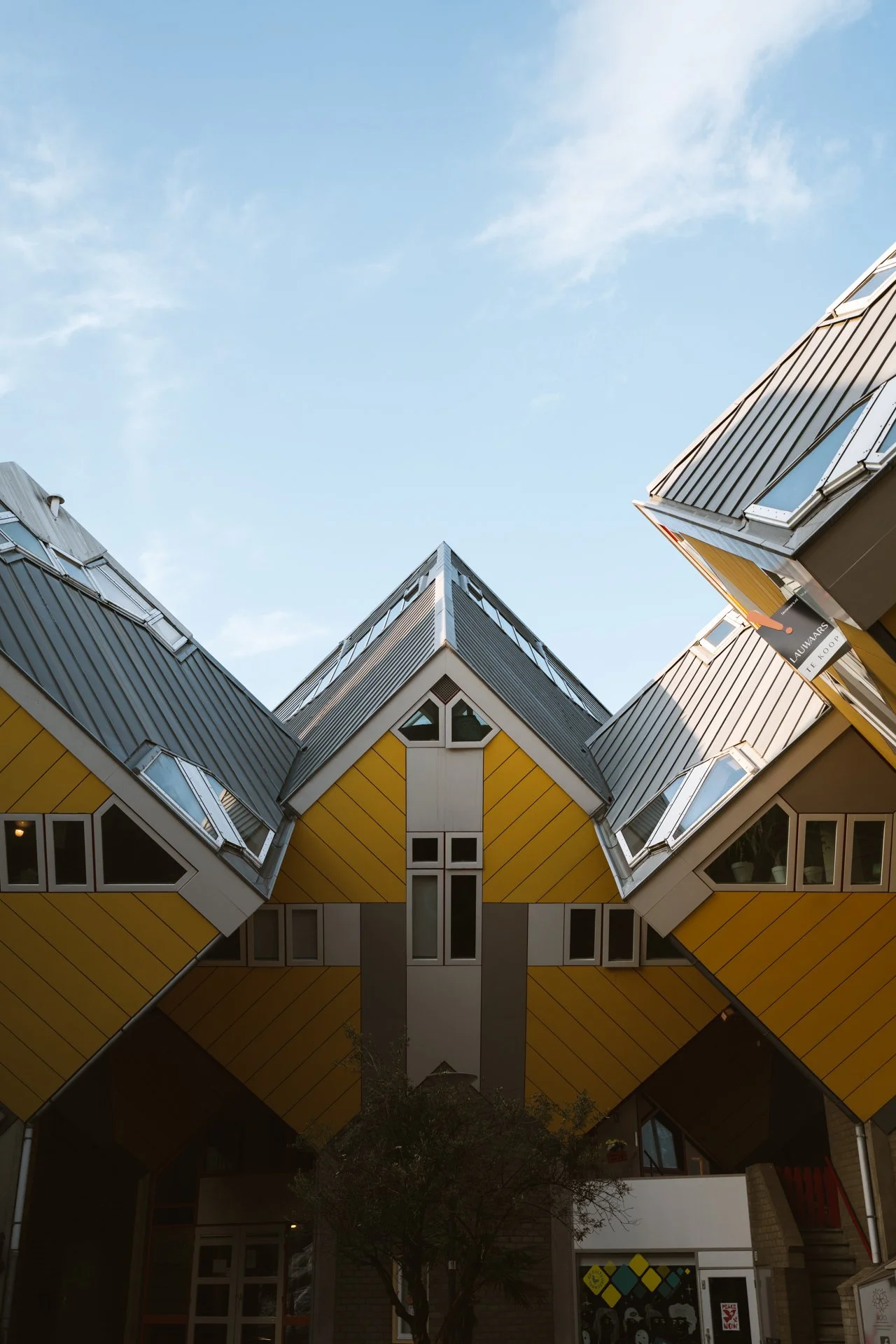
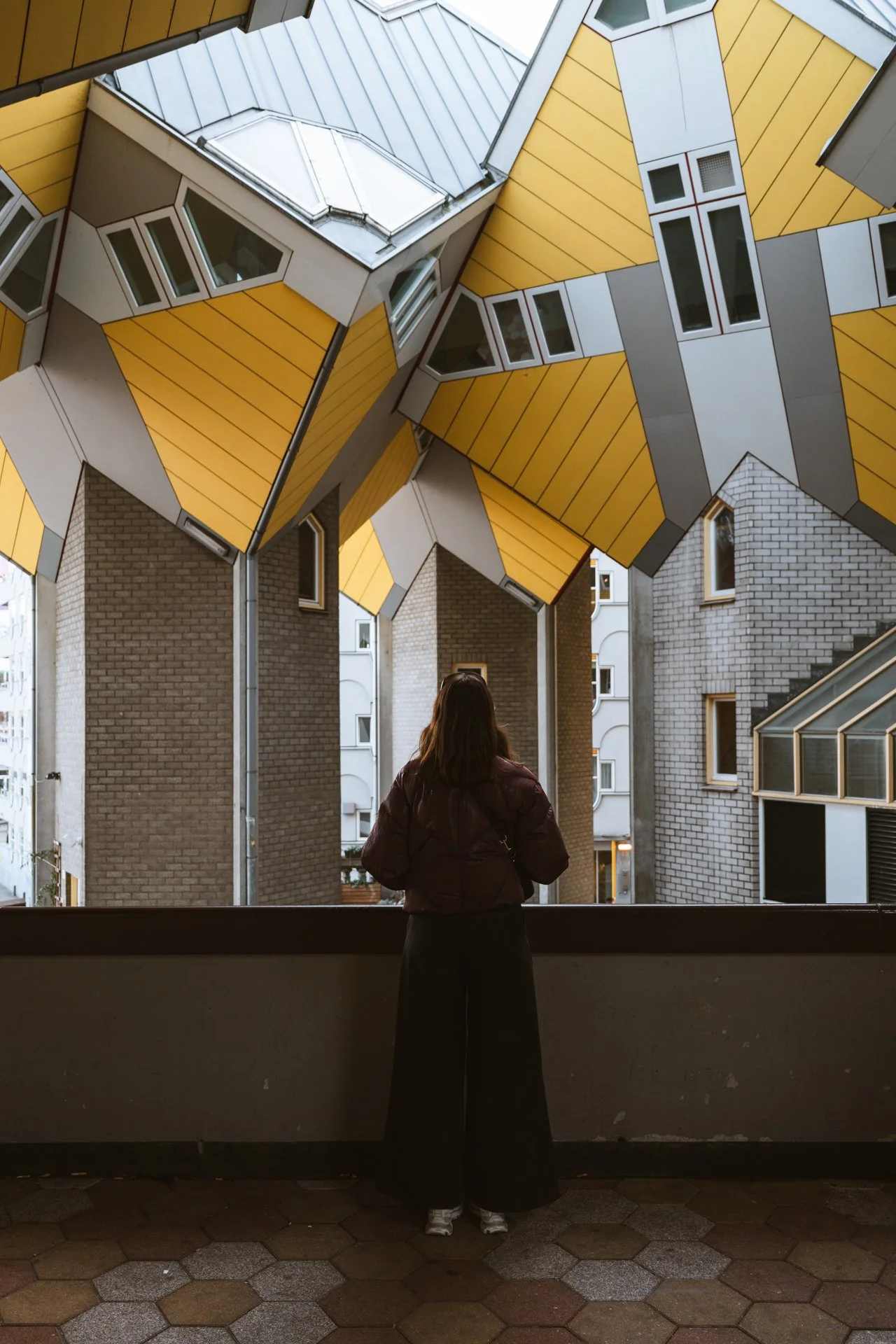
The Kijk-Kubus is the museum house inside Rotterdam’s famous Cube Houses. What makes it interesting is that it is not only something to look at from outside; it actually shows how life inside these tilted houses works. The museum house is fully furnished with specially designed pieces that help visitors understand how the unusual angles and slanted walls can still become a real living space. It is one of the best places in Rotterdam to see how playful architecture and practical design come together.
Markthal
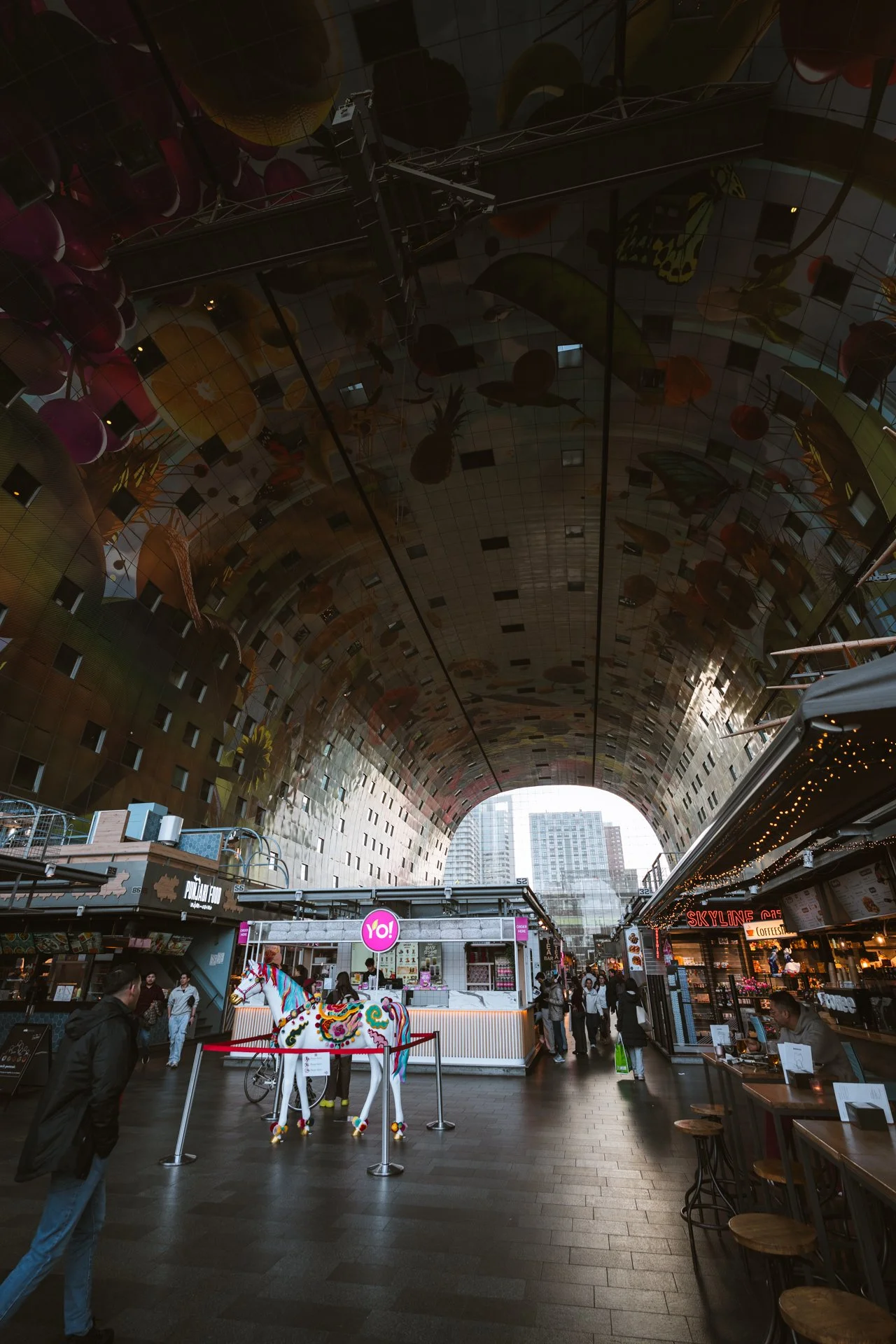
Markthal is one of Rotterdam’s best-known contemporary buildings and one of the easiest places to recommend to first-time visitors. It combines a food market, restaurants, shops, and apartments in one huge arched structure, and the official site describes more than 100 food spots inside. That is part of why it stays so busy: it is not only an architectural landmark, but also a place people actually use, whether for lunch, groceries, or just walking through and tasting different things.
The Low Light of Hoek van Holland
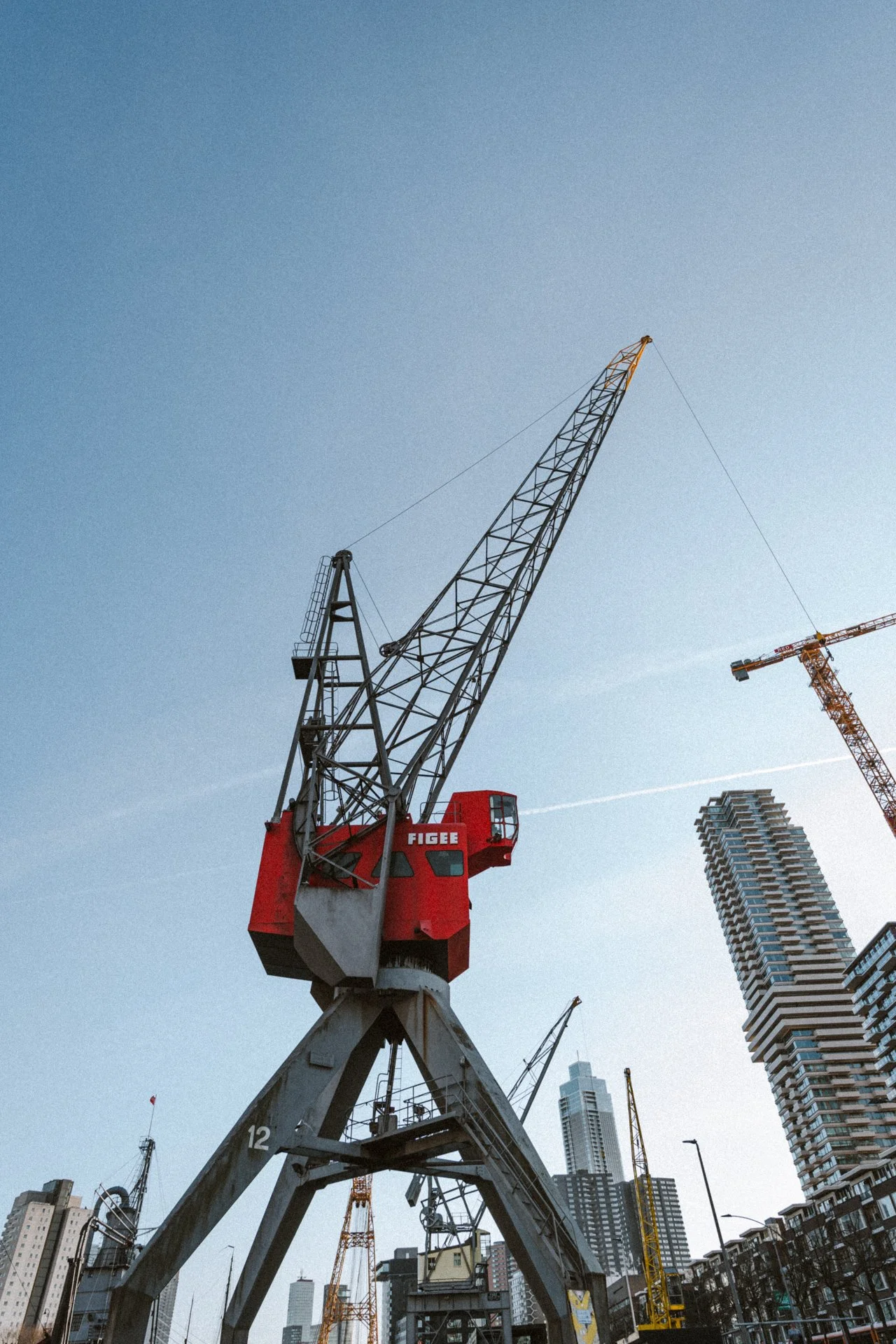
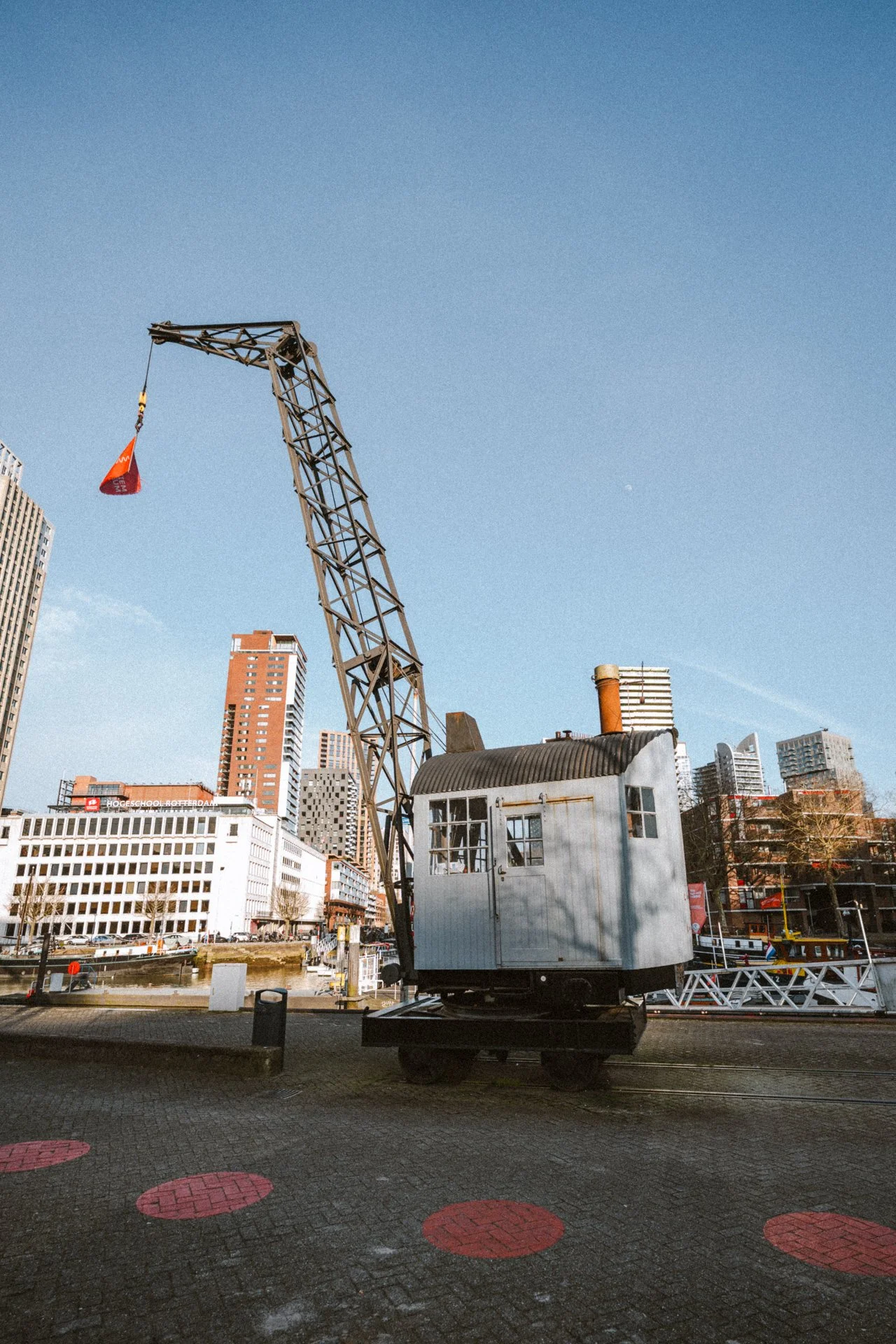
The Low Light of Hoek van Holland adds a more maritime layer to the trip. Historically, it was part of the lighthouse system that helped guide ships into the Nieuwe Waterweg, the channel leading to the Port of Rotterdam. That makes it one of those places that connects Rotterdam’s modern city image back to the sea and to the shipping routes that shaped the region for generations.
Dune
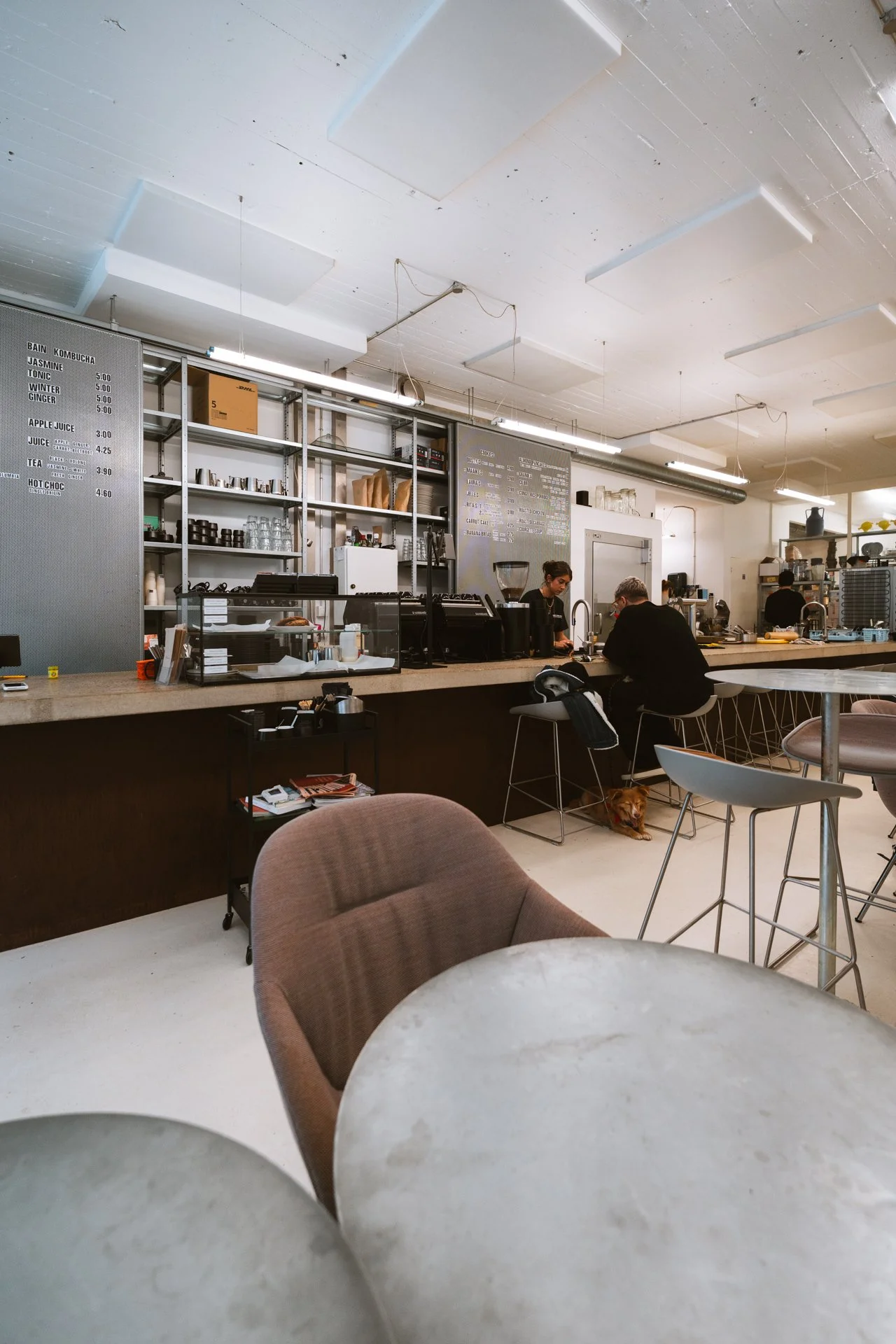
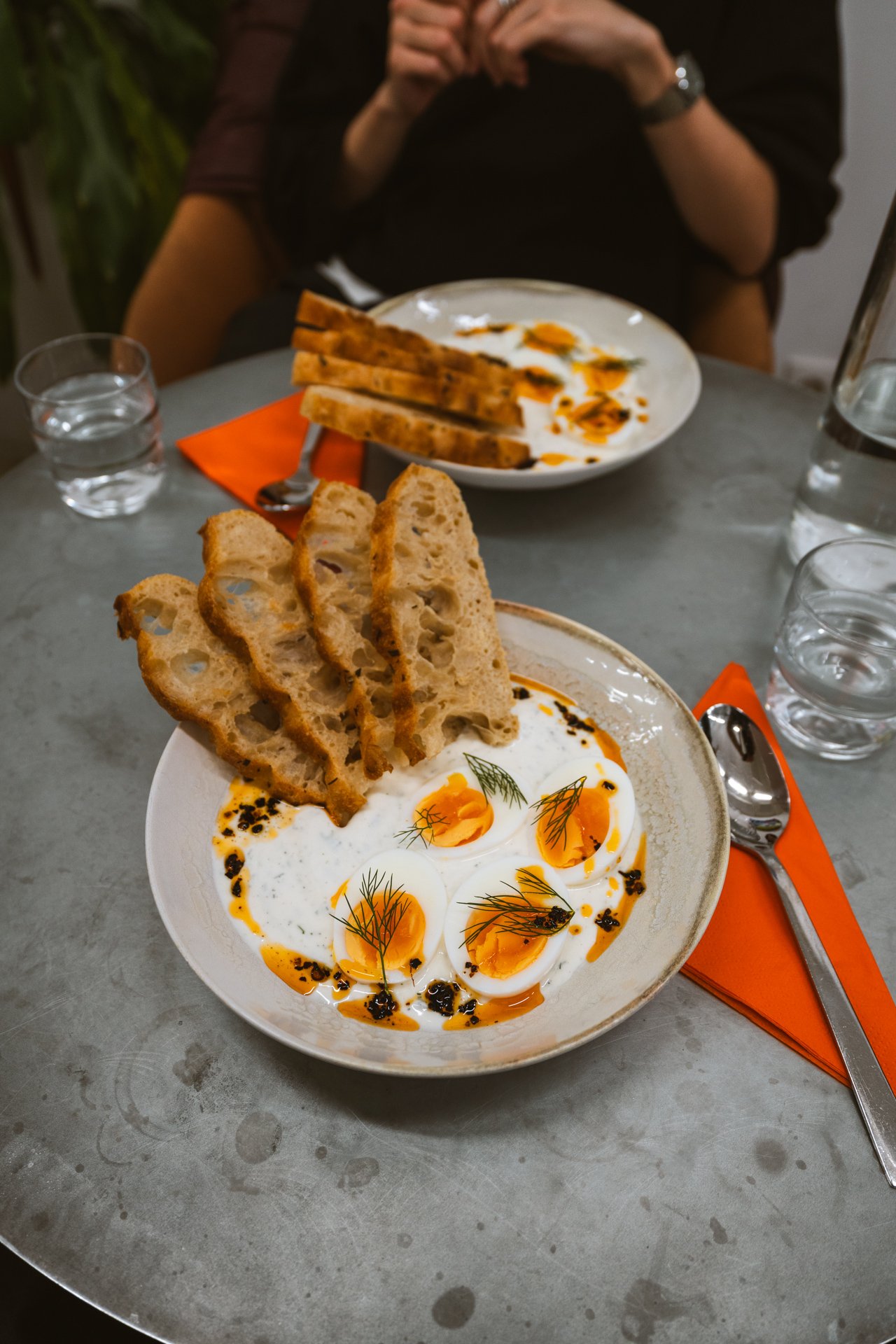
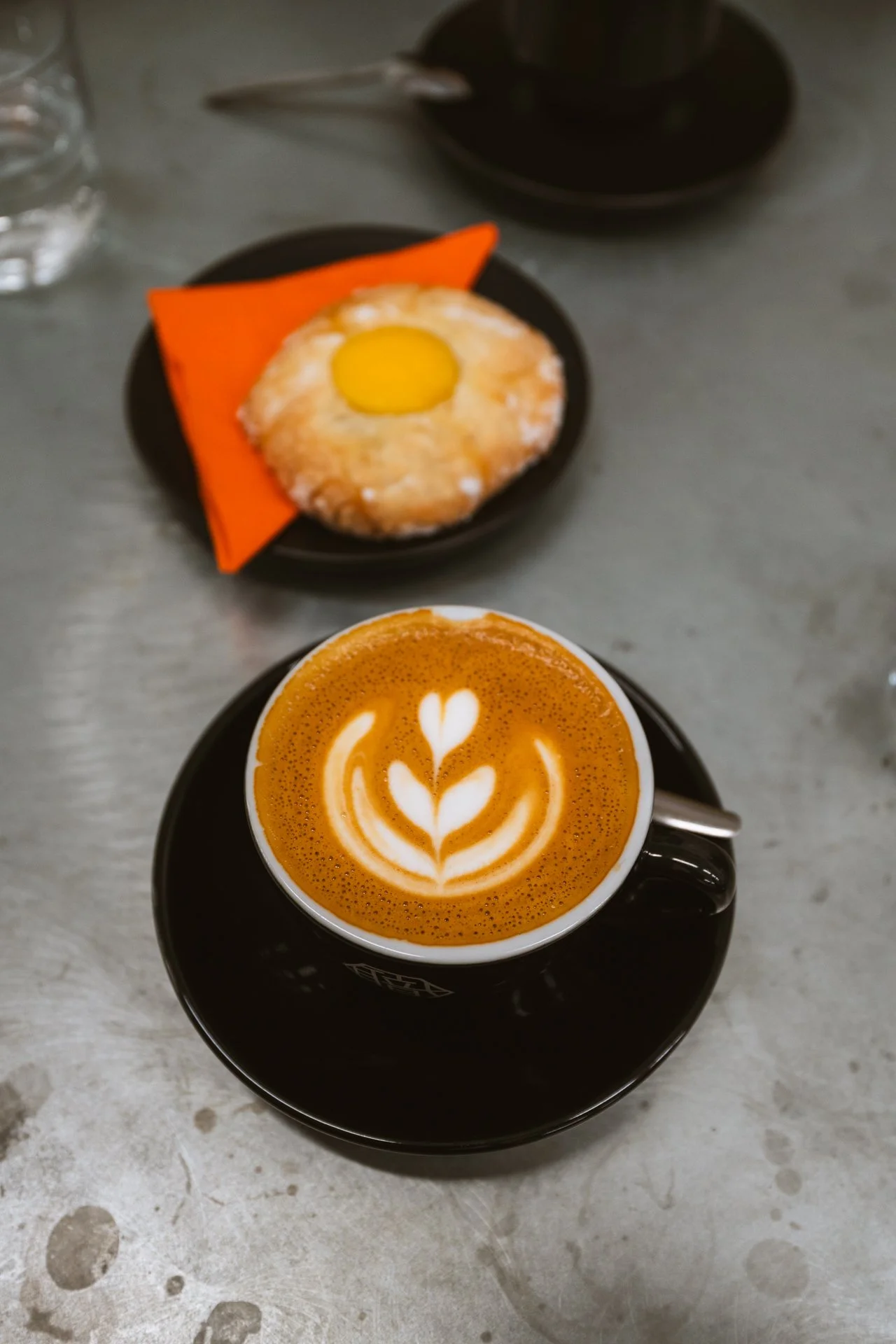
Dune was the first of the coffee stops, and it was one of the nicest ones to build part of the day around. It is the kind of place that works not only for coffee but also for breakfast or brunch, which made it more than just a quick stop. Their çılbir was especially good, so it ended up being one of those cafés that stays in your memory not only because of the coffee, but because you actually want to go back for the food too.
Coffee Company
After that came Coffee Company, which is one of those places that works well when you want a reliable coffee stop while moving around the city. The brand has several Rotterdam locations, including Hoogstraat, Nieuwe Binnenweg, Las Palmas, Eendrachtsplein and Stationsplein, which helps explain why it fits so naturally into a city day. It is less about being hidden or niche and more about being easy, consistent, and well placed.
âme cafe and concept store
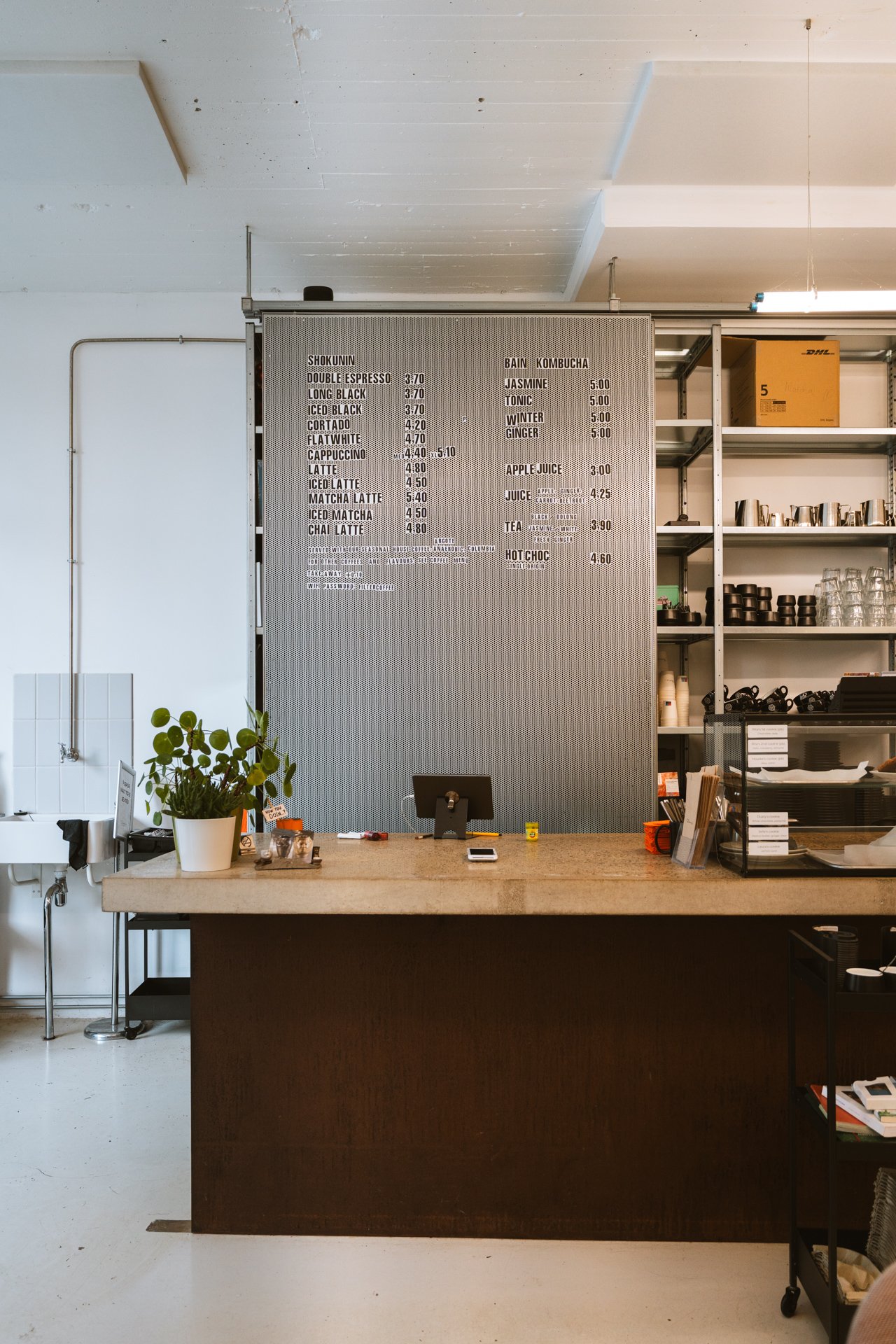
âme cafe and concept store came later, and it has a slightly different appeal from a standard coffee place. The café is part of Hotel âme, in a monumental building from 1867, and combines coffee with a curated concept store full of interior and lifestyle items. Their own description makes clear that the place is built around a more design-led atmosphere, with coffee served using beans from Rotterdam roaster Shokunin. That combination is what makes it stand out: it feels like a coffee stop, a design space, and a small lifestyle destination at the same time.
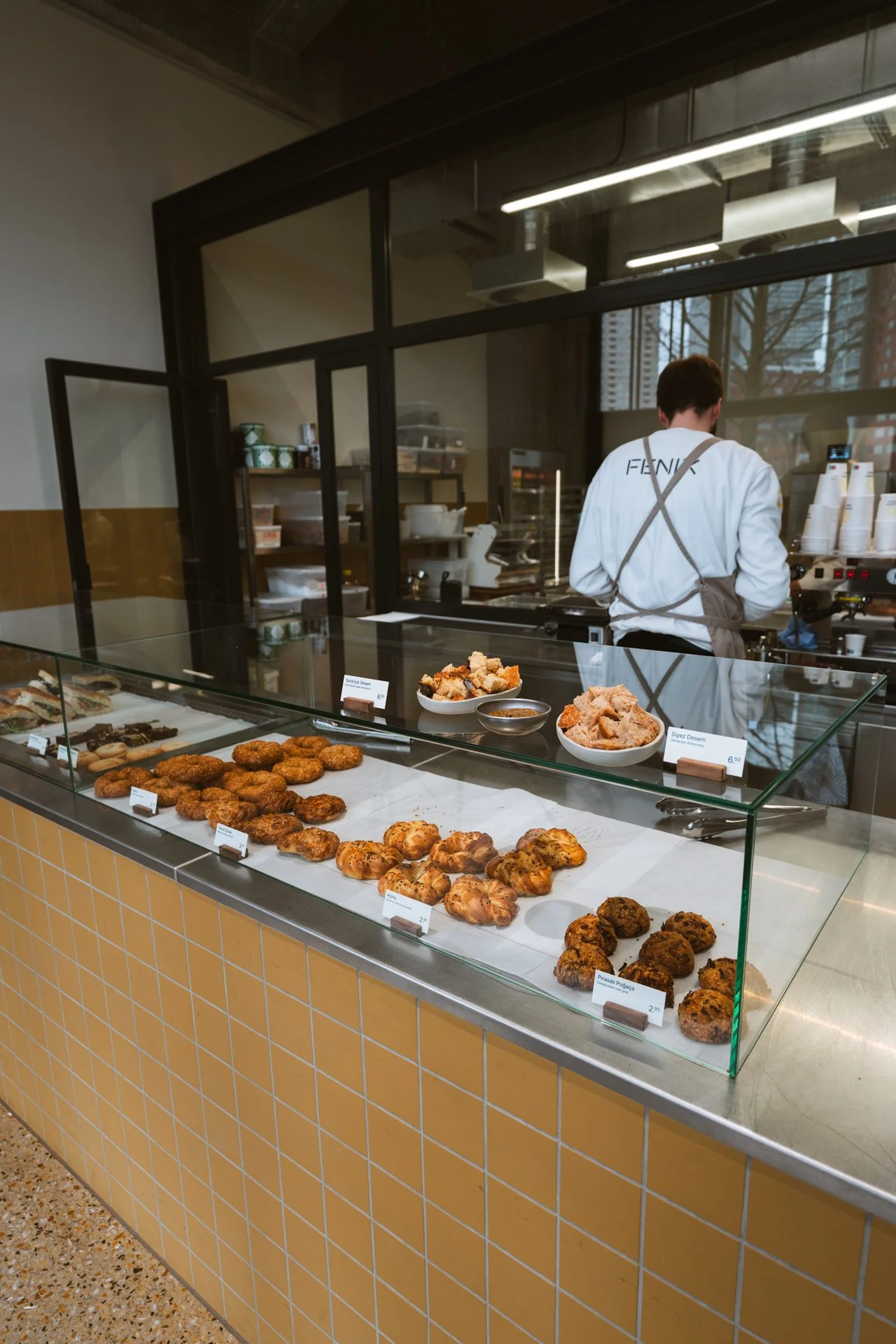
O Anatolian Café & Bakery before FENIX
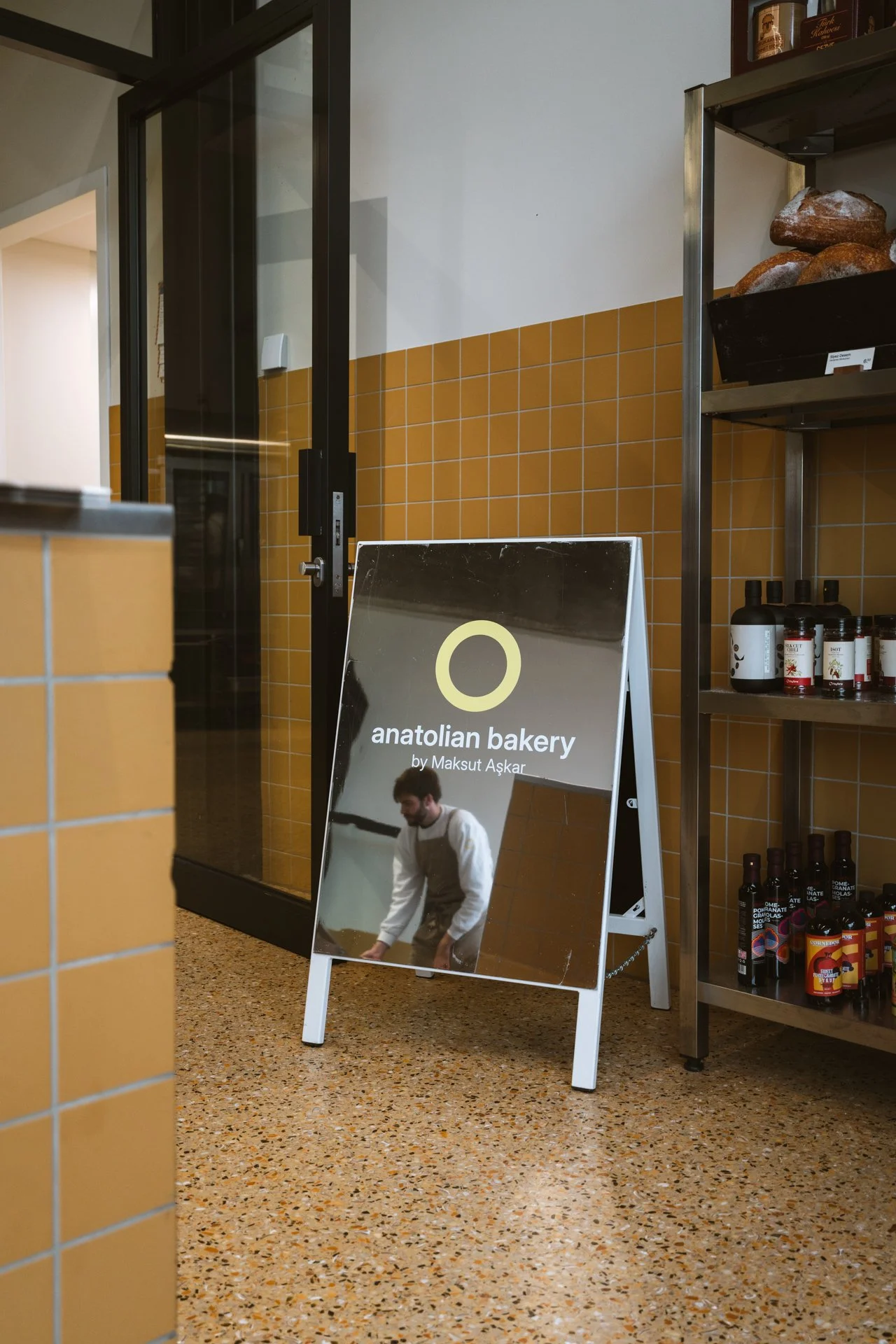
Passing by the Anatolian bakery before visiting FENIX felt especially fitting. O Anatolian Café & Bakery is located inside FENIX and brings Anatolian cuisine into a museum space shaped by stories of migration, arrival, identity, and home. It adds a warm, everyday layer to a place that is already full of deeper historical meaning.
FENIX
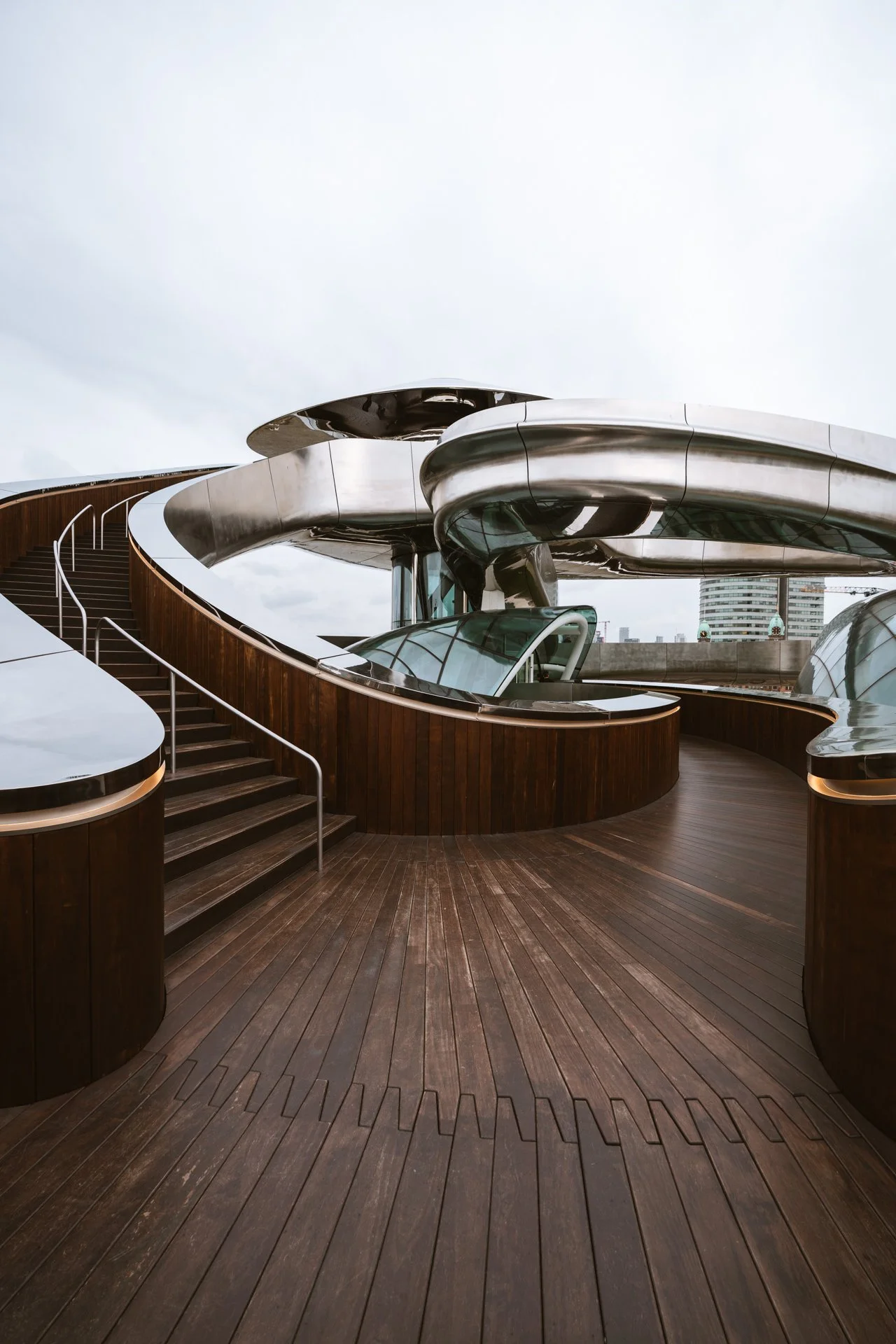
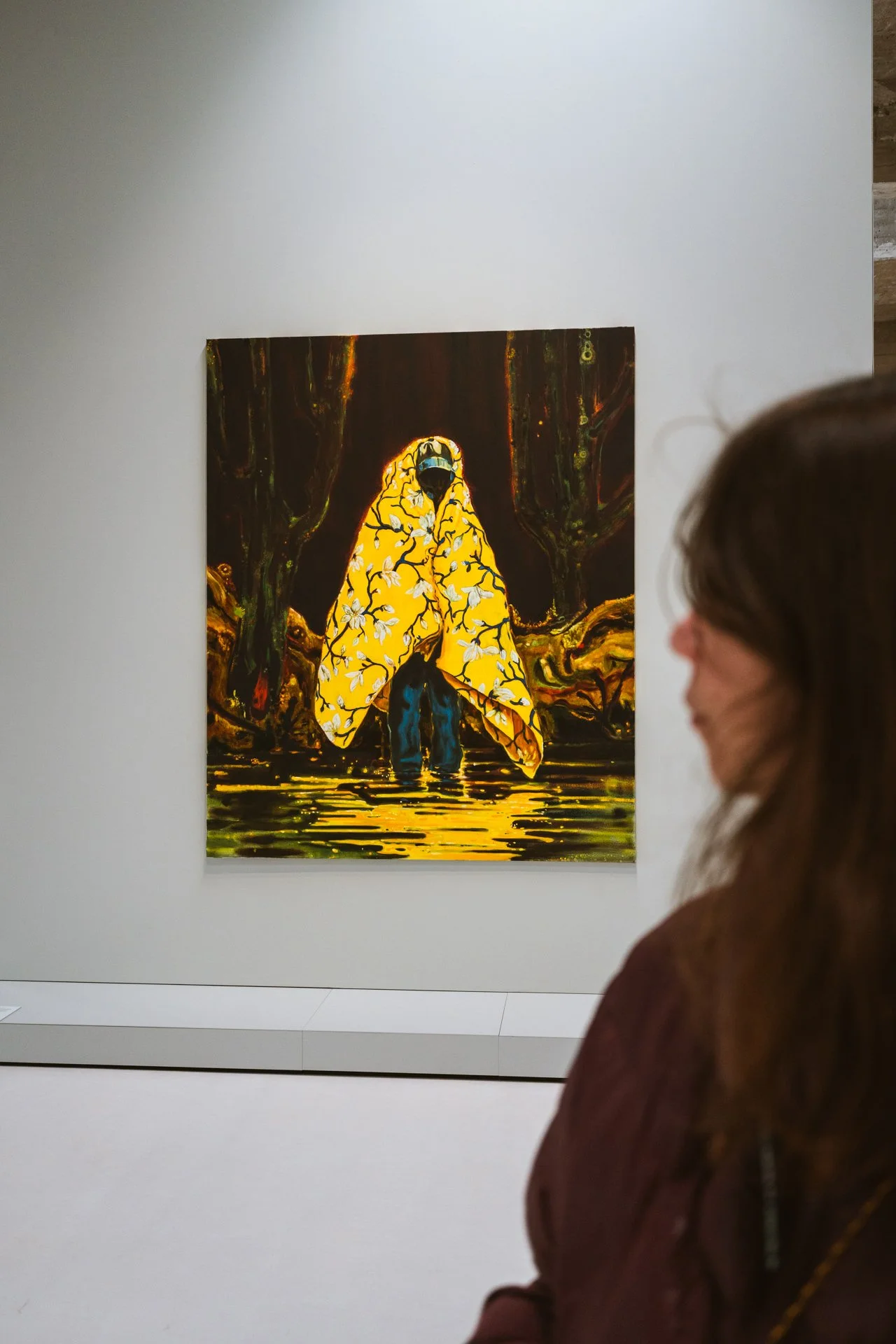
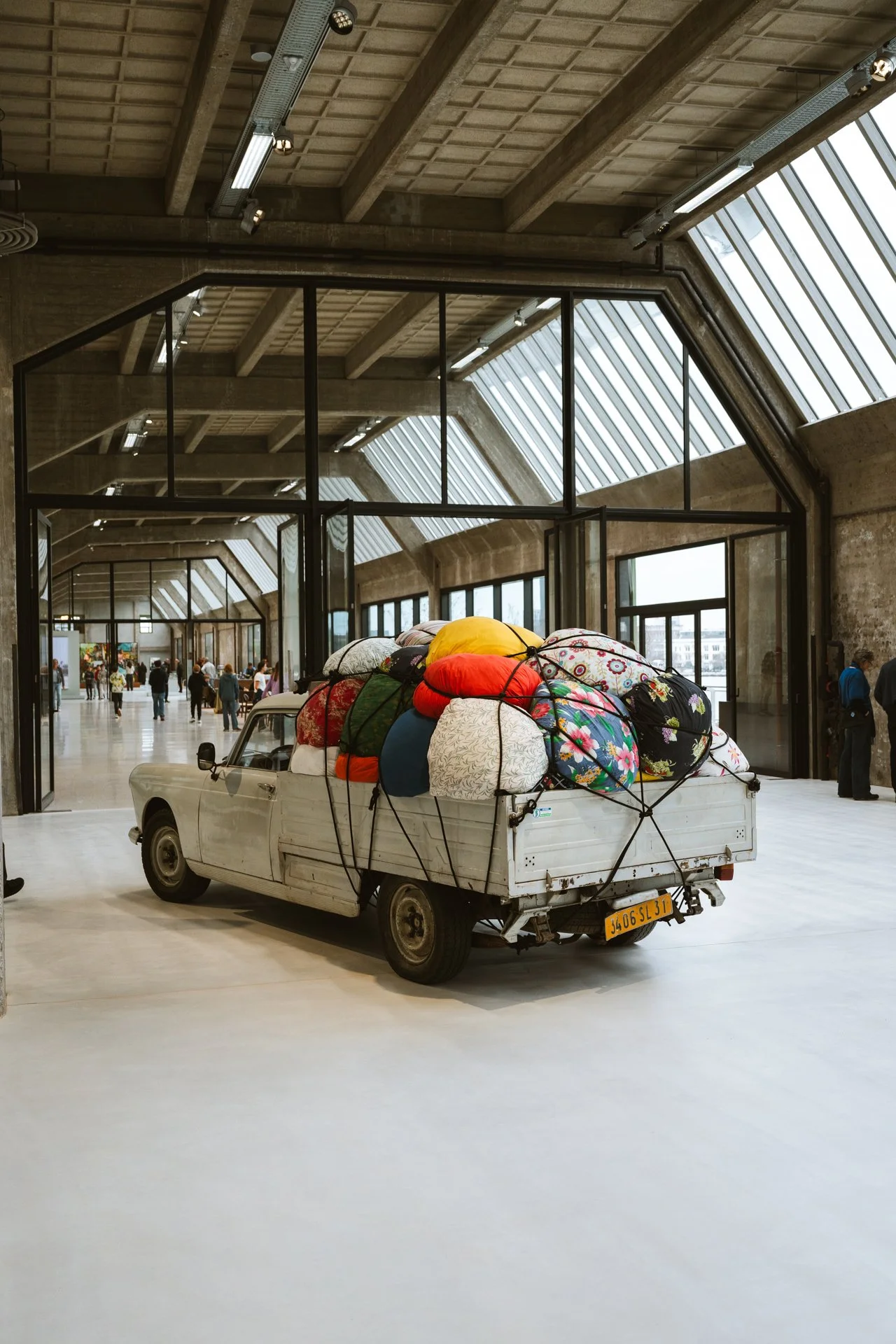
FENIX is one of the most meaningful places to visit in Rotterdam right now. It is the city’s art museum about migration and is housed in a restored harbour warehouse from 1923 on the historic quays where people once departed and arrived. The building originally belonged to the Holland-America Line world, and that location matters because the museum’s subject is not abstract there; it is rooted in a place where many journeys really began. Even the name feels right for that idea, because it suggests renewal and beginning again, which fits a museum about departure, arrival, and new lives.
Fox Gym
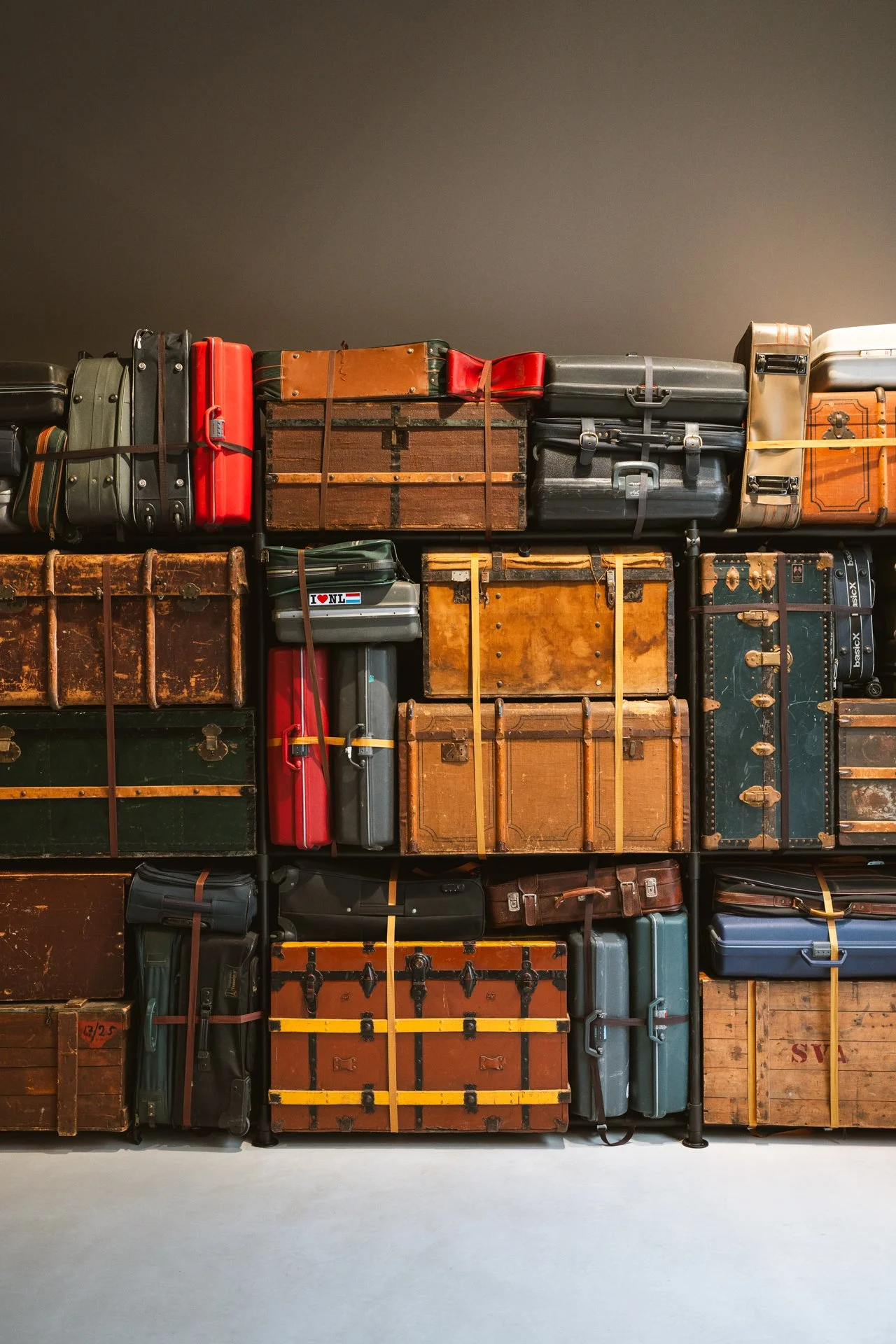
Fox Gym gave the trip a completely different kind of Rotterdam energy. It feels more local, more community-based, and less like a typical visitor stop, which is exactly why it stood out. It is one of those places that reminds you a city is not only made of landmarks and museums, but also of everyday spaces with their own loyal atmosphere. Fox Gym also hosts Foxtival, a one-night event where the gym turns into a nightclub, which says a lot about its personality.
Schiedam
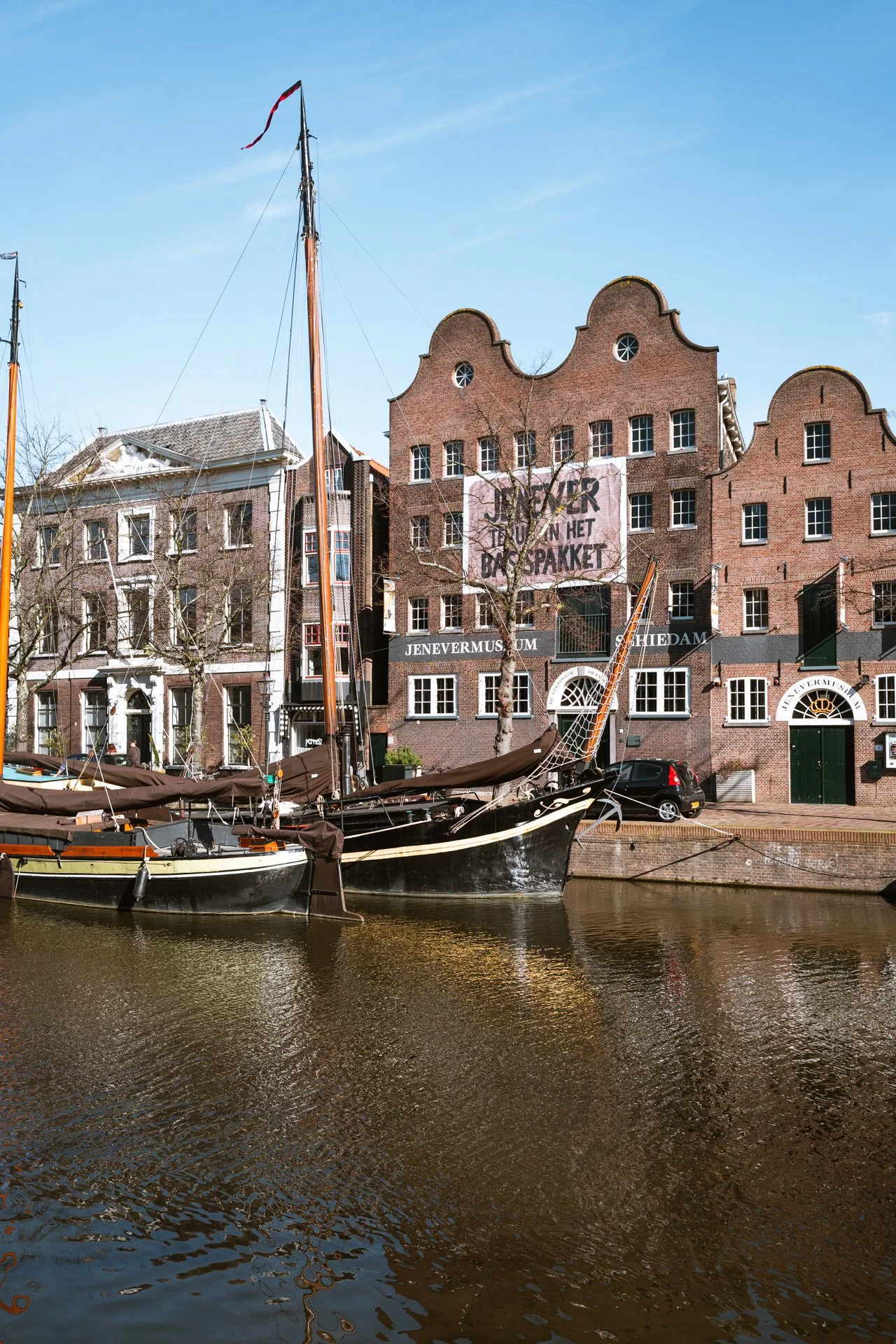
What changed this trip most was finally going to Schiedam. Although it sits right next to Rotterdam, it has a very different atmosphere. Schiedam grew around a dam on the river Schie and received city rights in 1275. Later it became internationally associated with jenever production, distilleries, warehouses, and grain trade. That history still shapes the city today, which is why Schiedam feels older, quieter, and more historically layered than Rotterdam, even though the two are so close to each other.
Schiedam Windmills
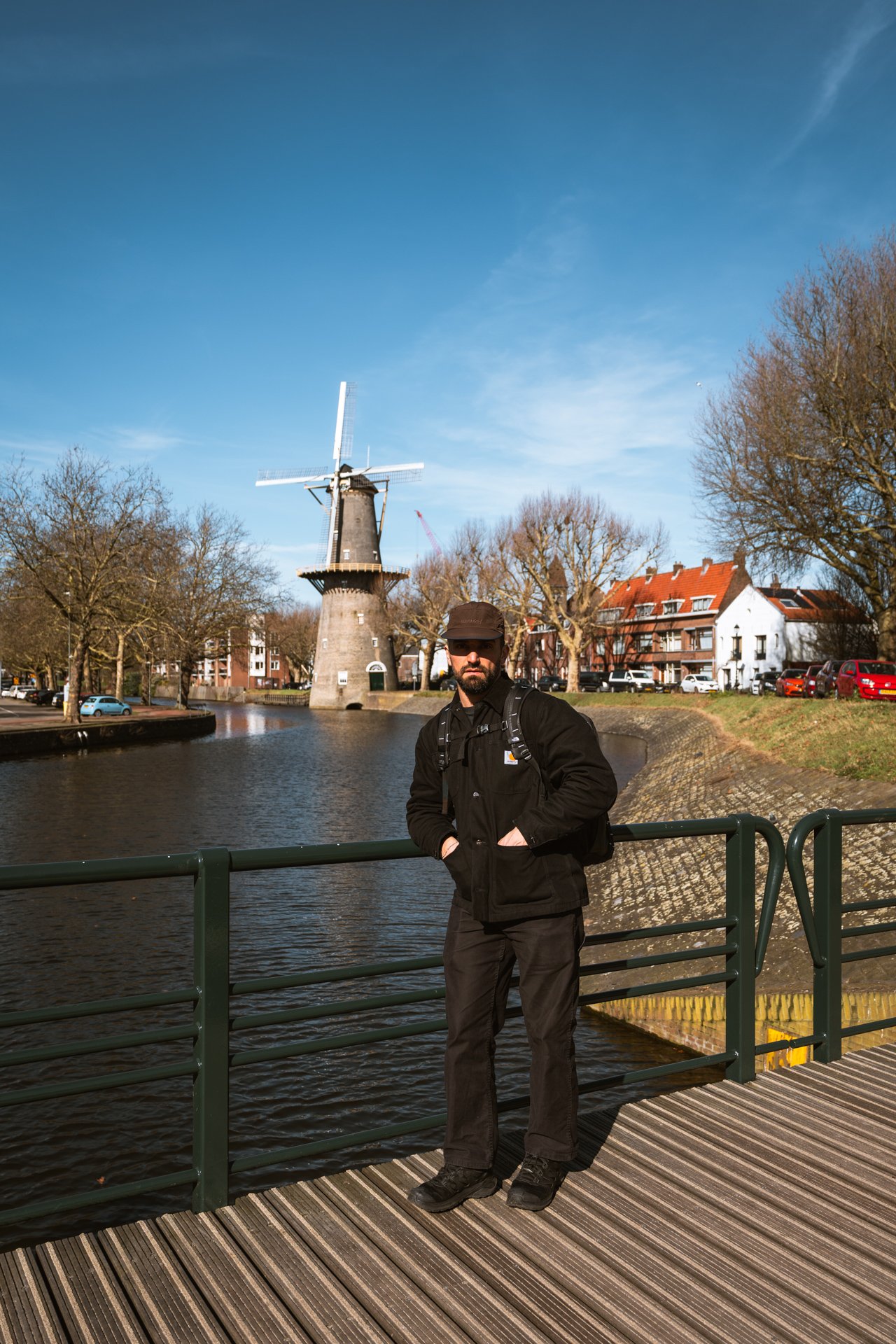
The windmills are the most famous image of Schiedam, and for good reason. The city is known for having the tallest traditional windmills in the world. They had to be built so high because they needed to catch enough wind above the warehouses and industrial buildings of the old distilling city. They were closely tied to Schiedam’s jenever industry, since they ground grain for the distilleries that made the city famous.
Schattig.
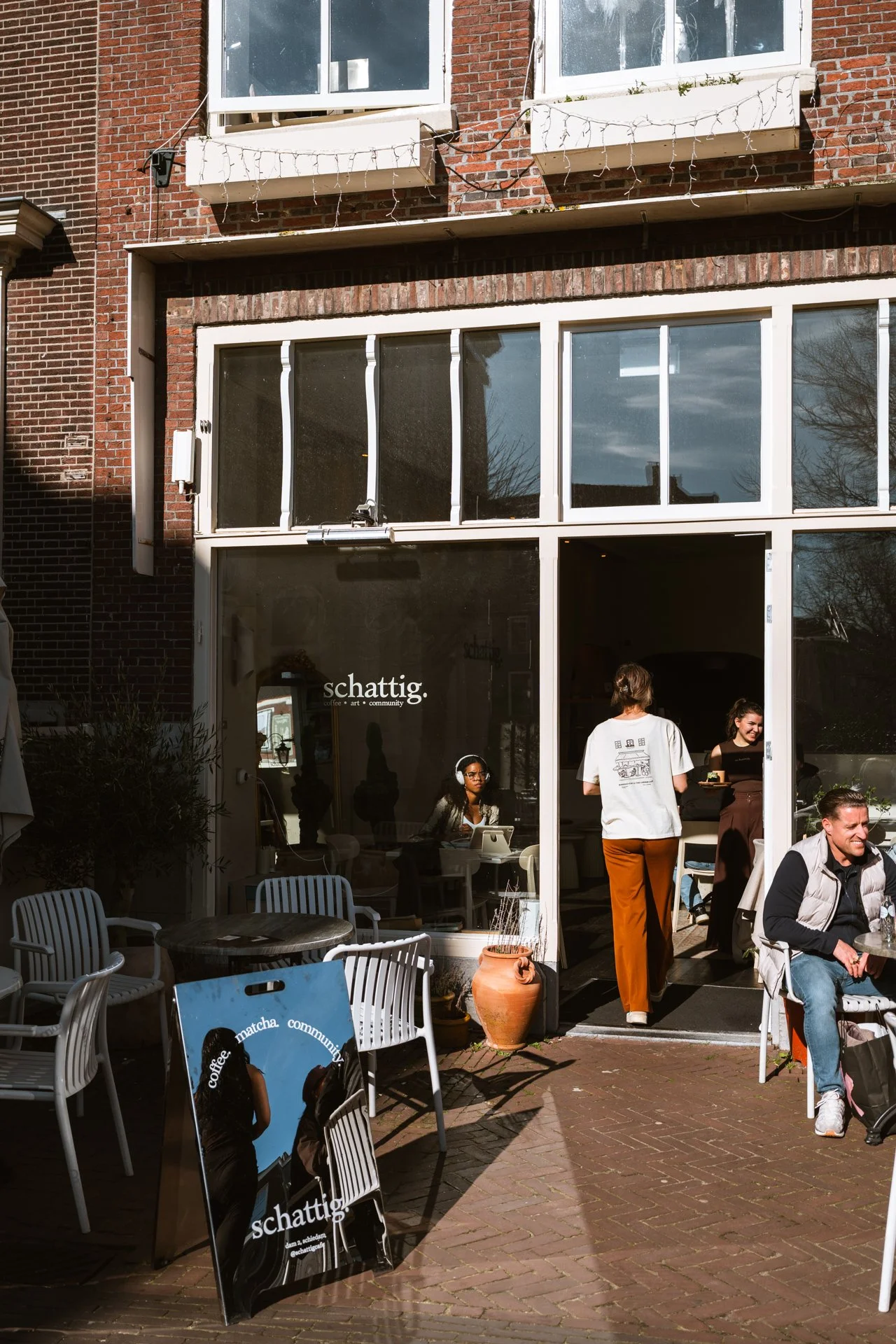
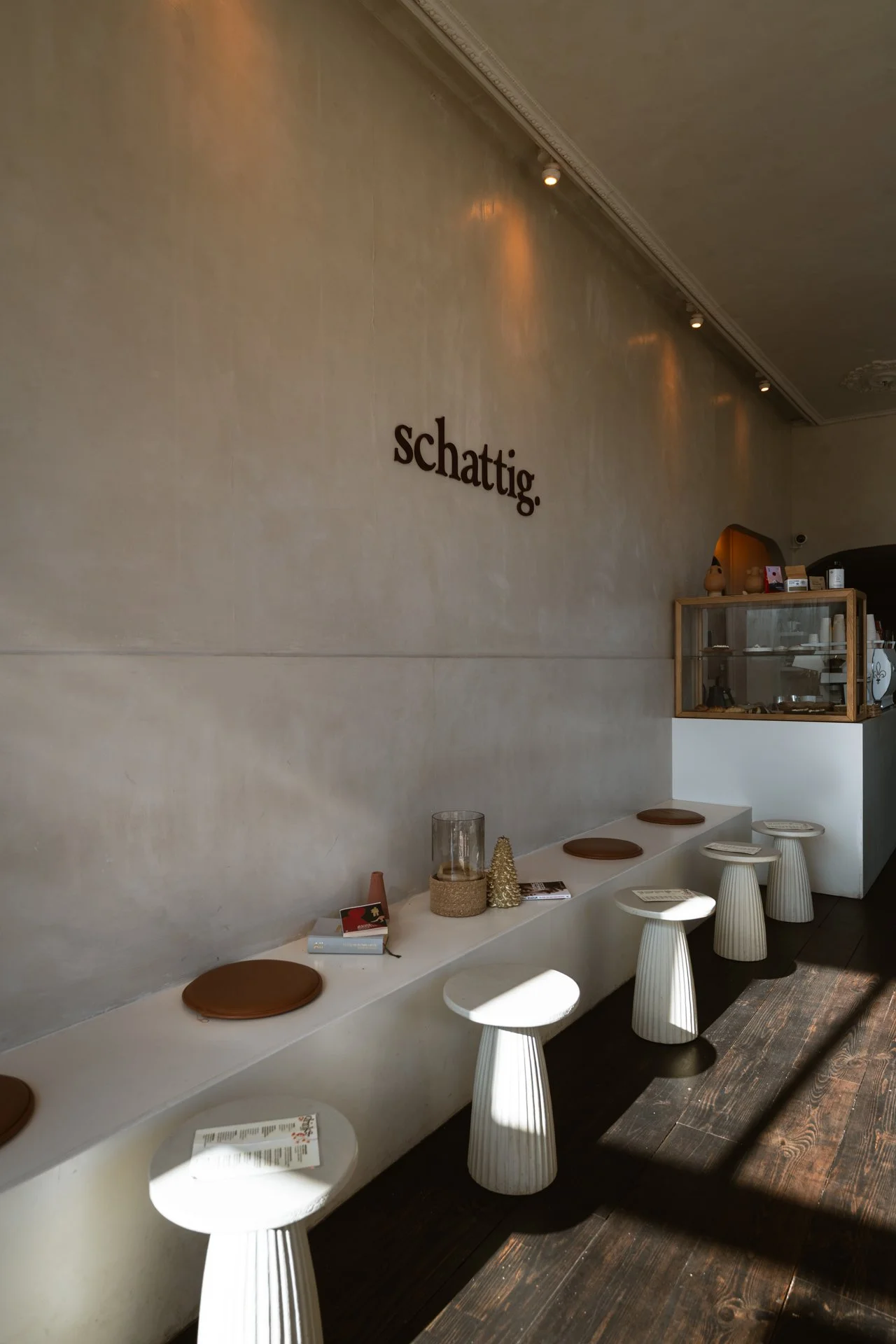
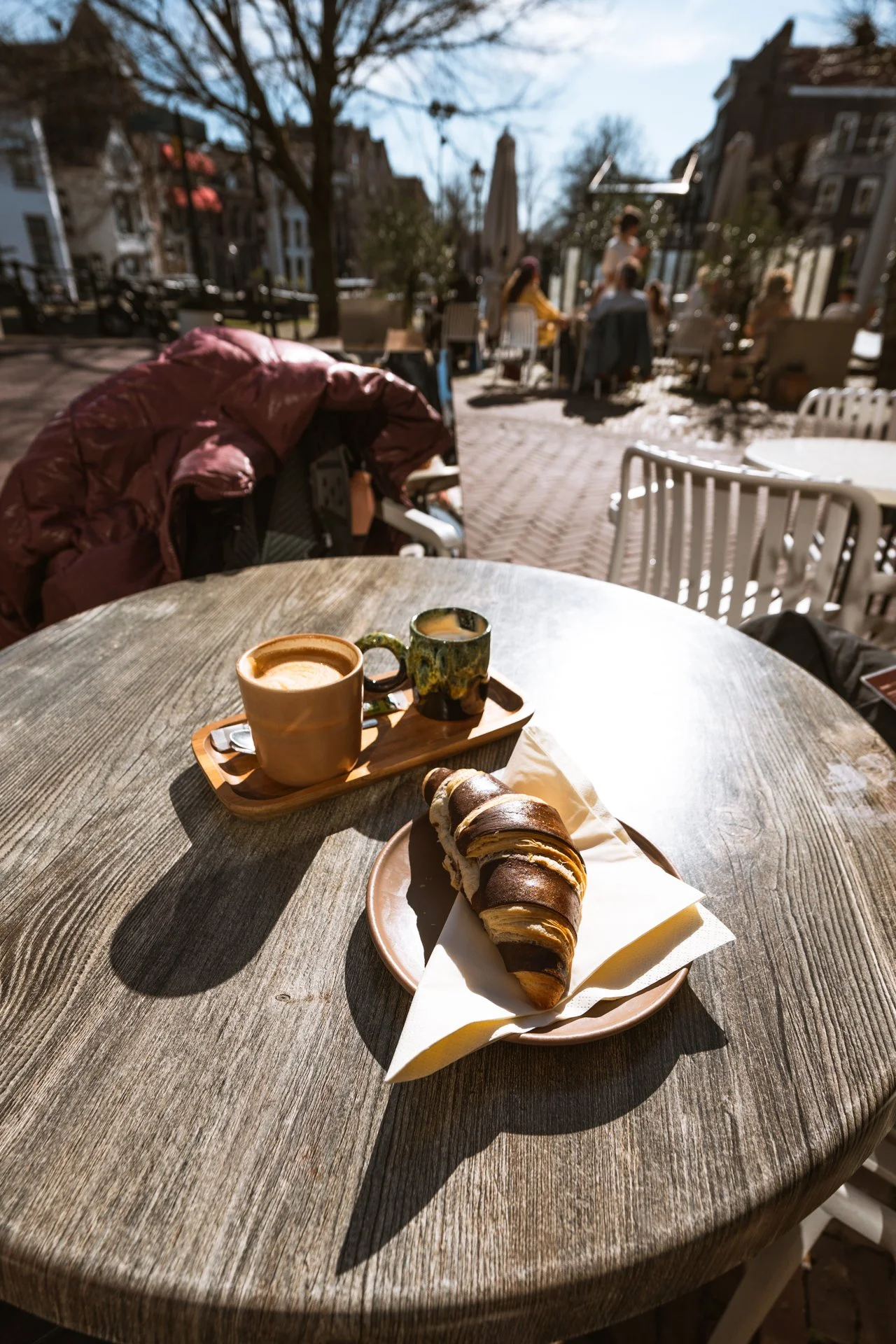
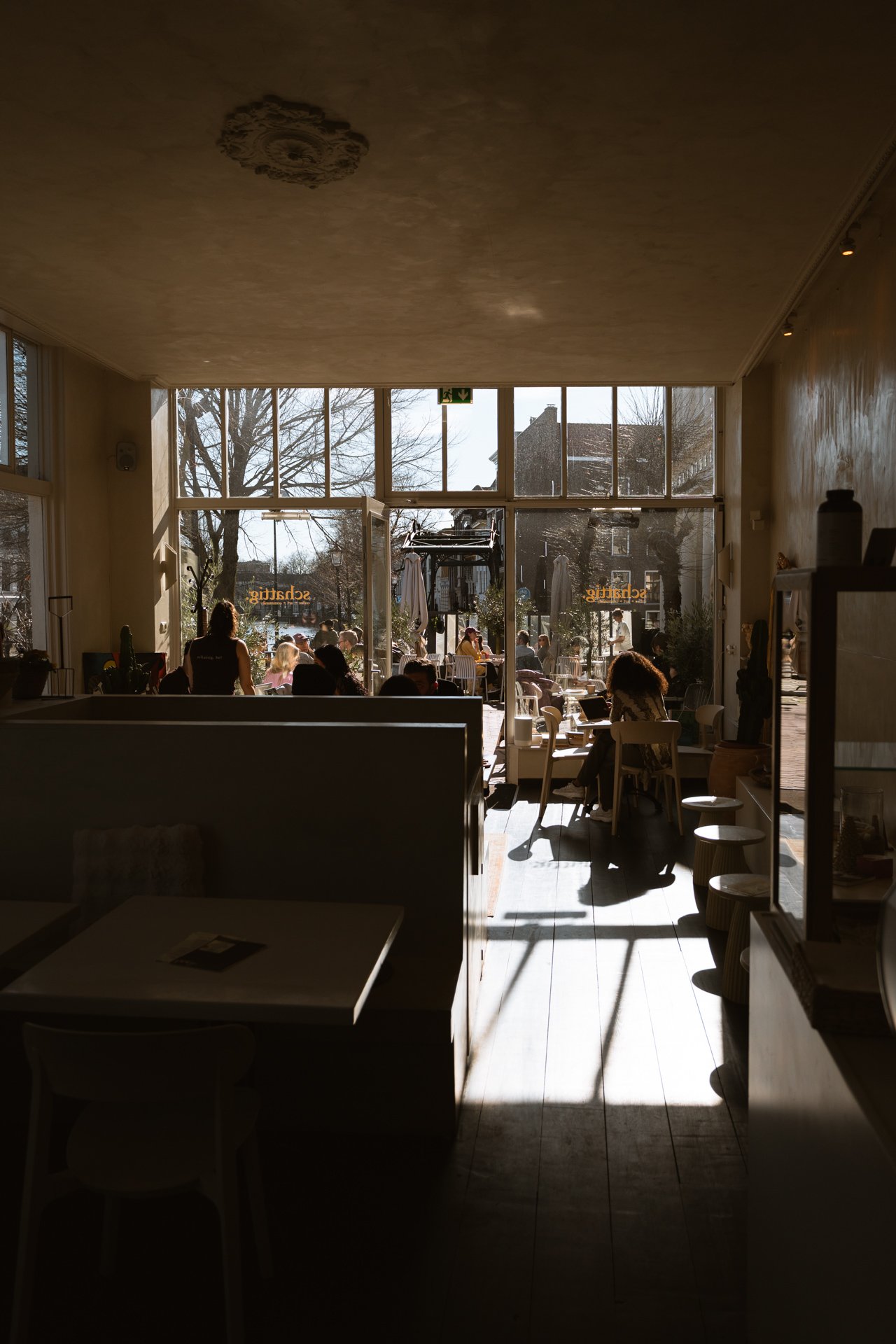
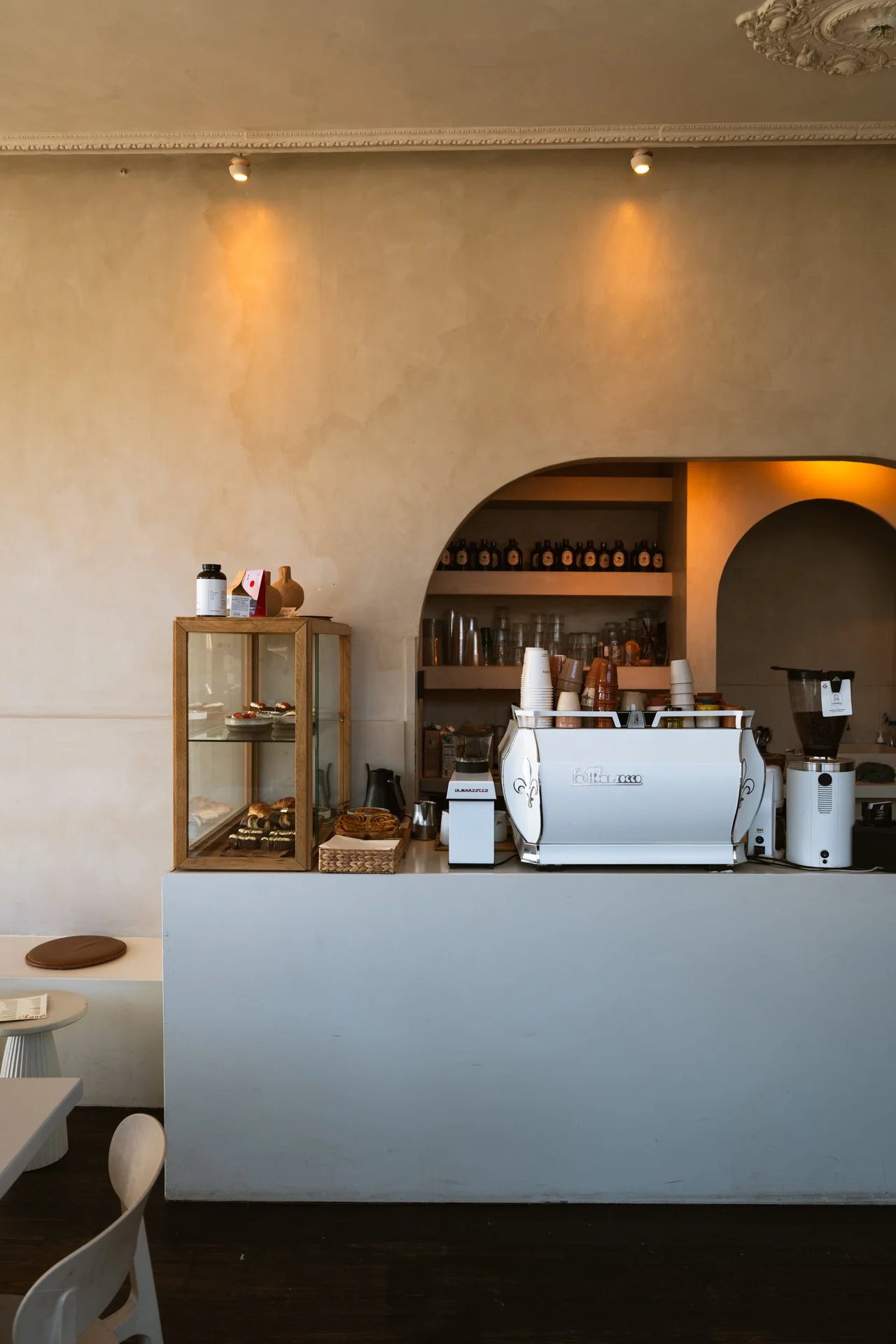
Schattig. is a coffee shop and brunch spot in Schiedam, and that is exactly why it works so well in a day like this. It is not a monument or museum, but it gives the visit a cosy, local pause. With specialty coffee and all-day brunch, it feels like the kind of place that makes a slower day in a smaller city especially enjoyable.
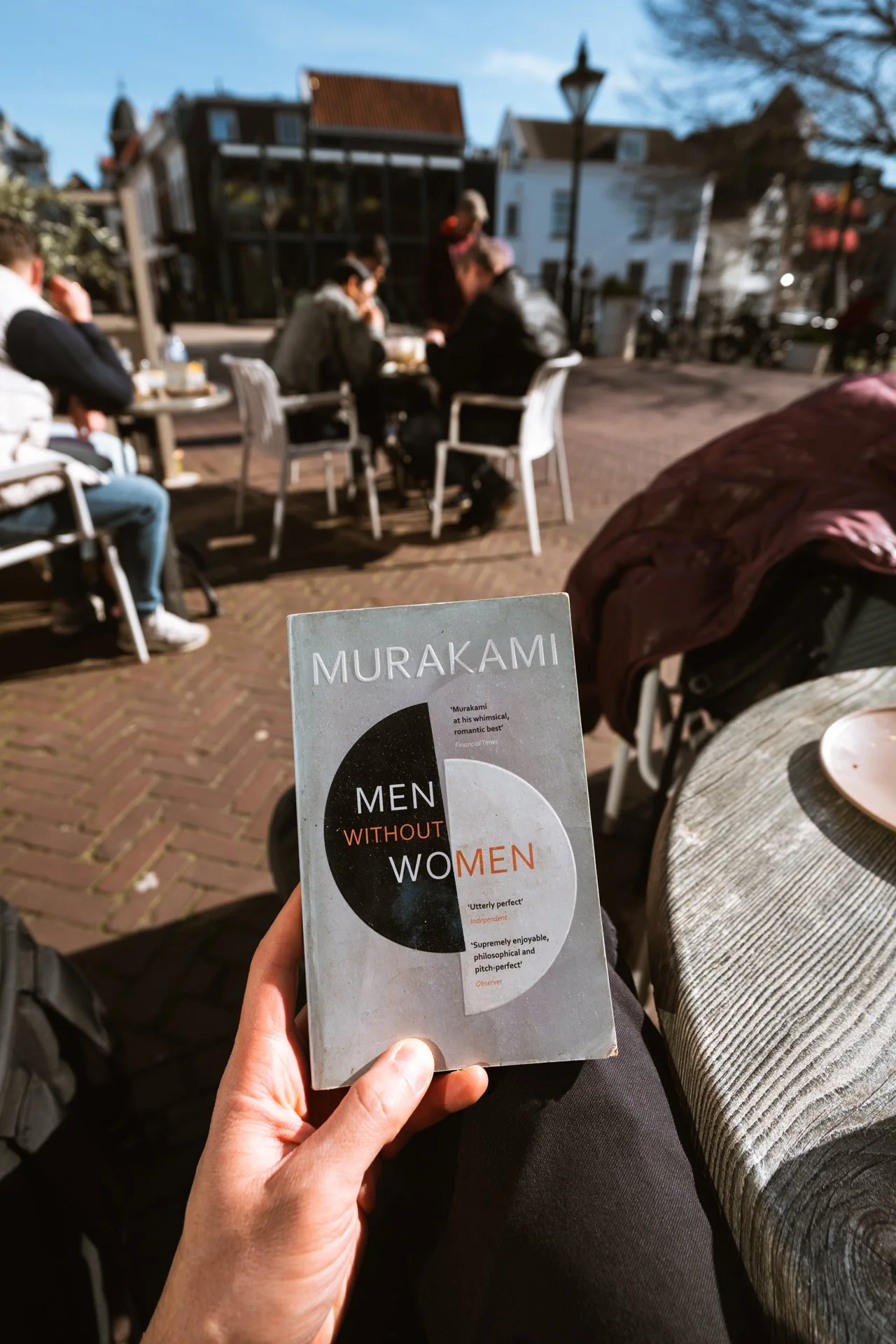
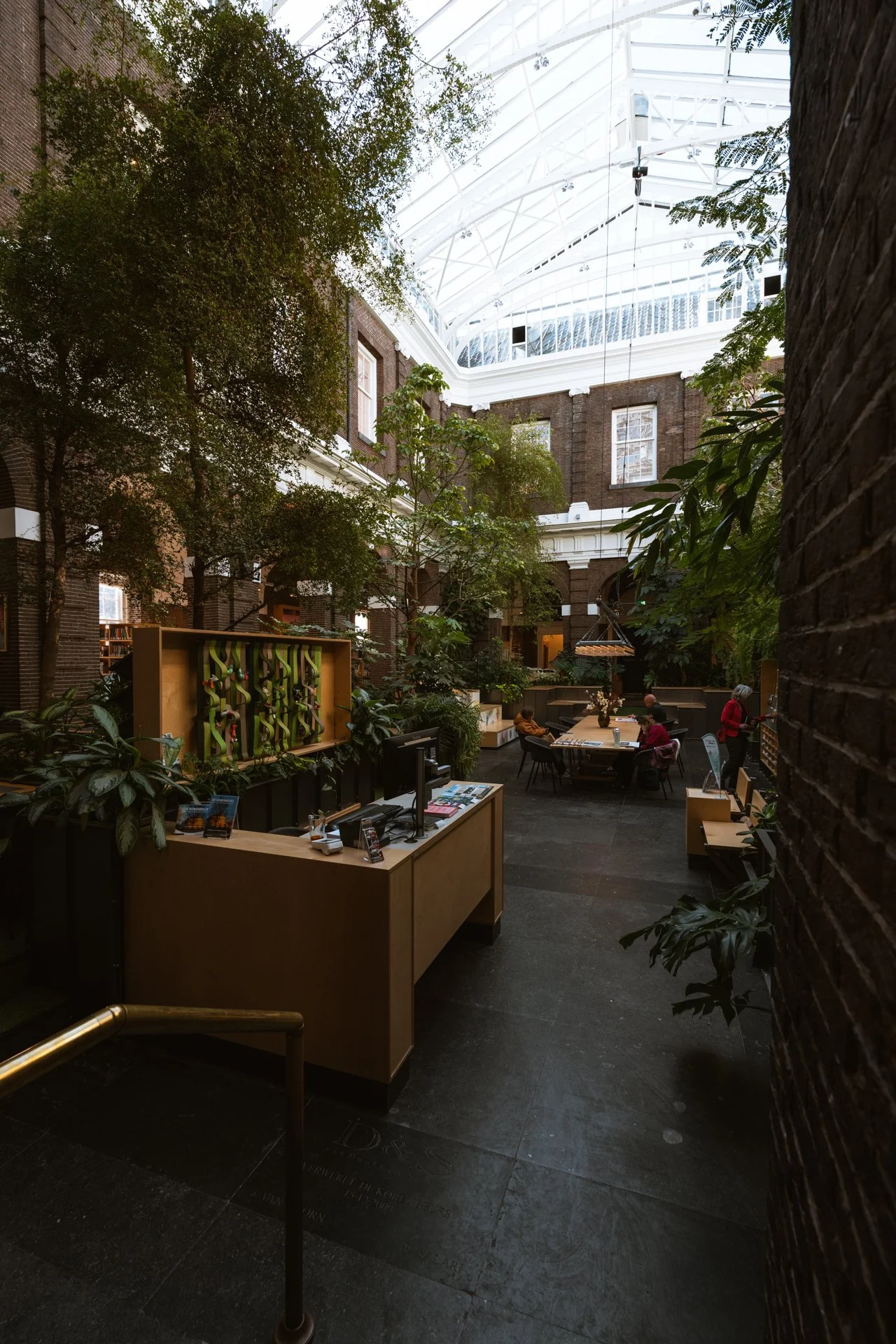
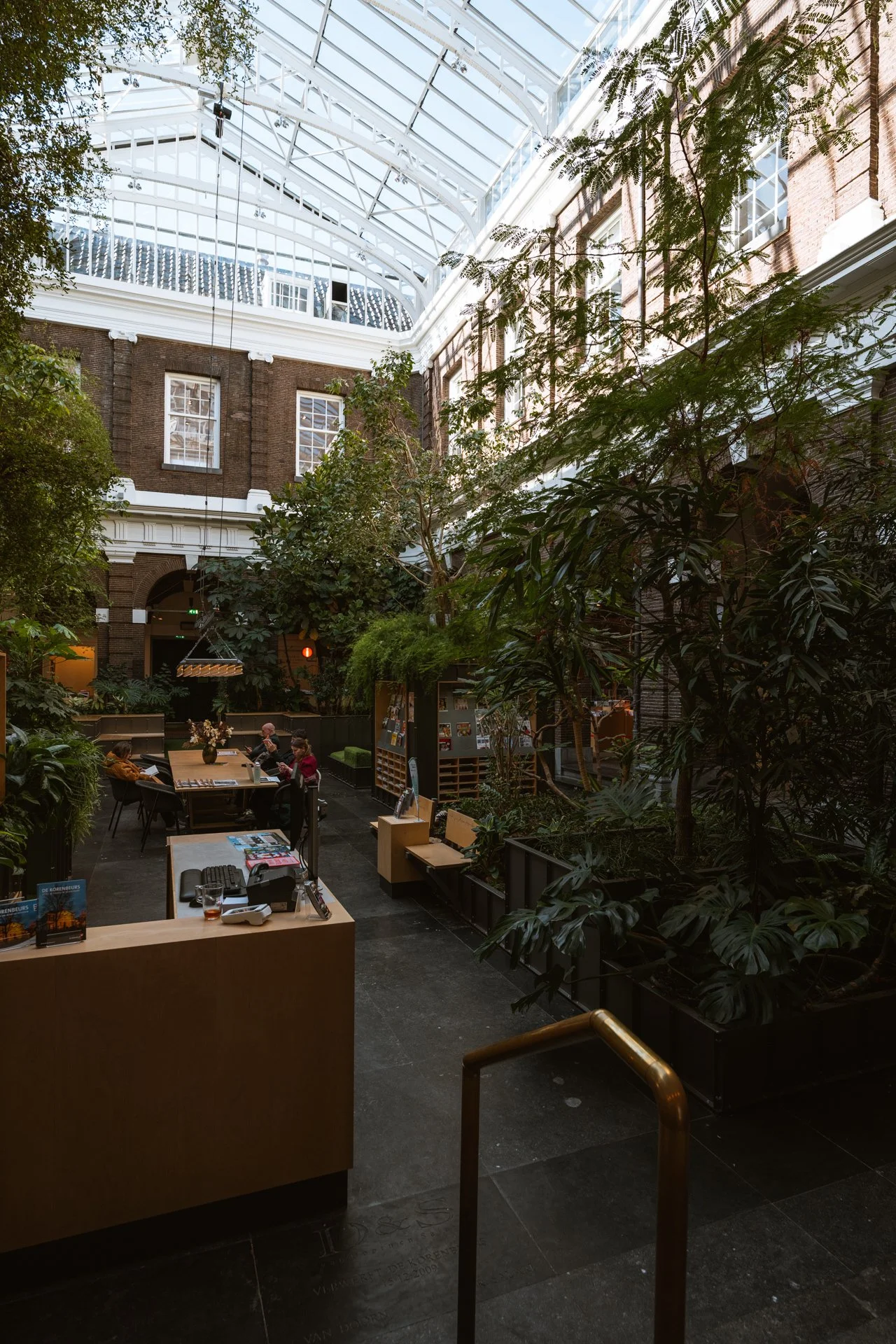
Bibliotheek Schiedam in de Korenbeurs
Right next to Schattig., the library in de Korenbeurs adds a cultural and historical layer to the walk. The Korenbeurs dates back to 1787 and was originally built as a grain exchange; today it houses the library inside a listed monument. That mix of everyday public life and historic architecture gives the space a very special atmosphere.
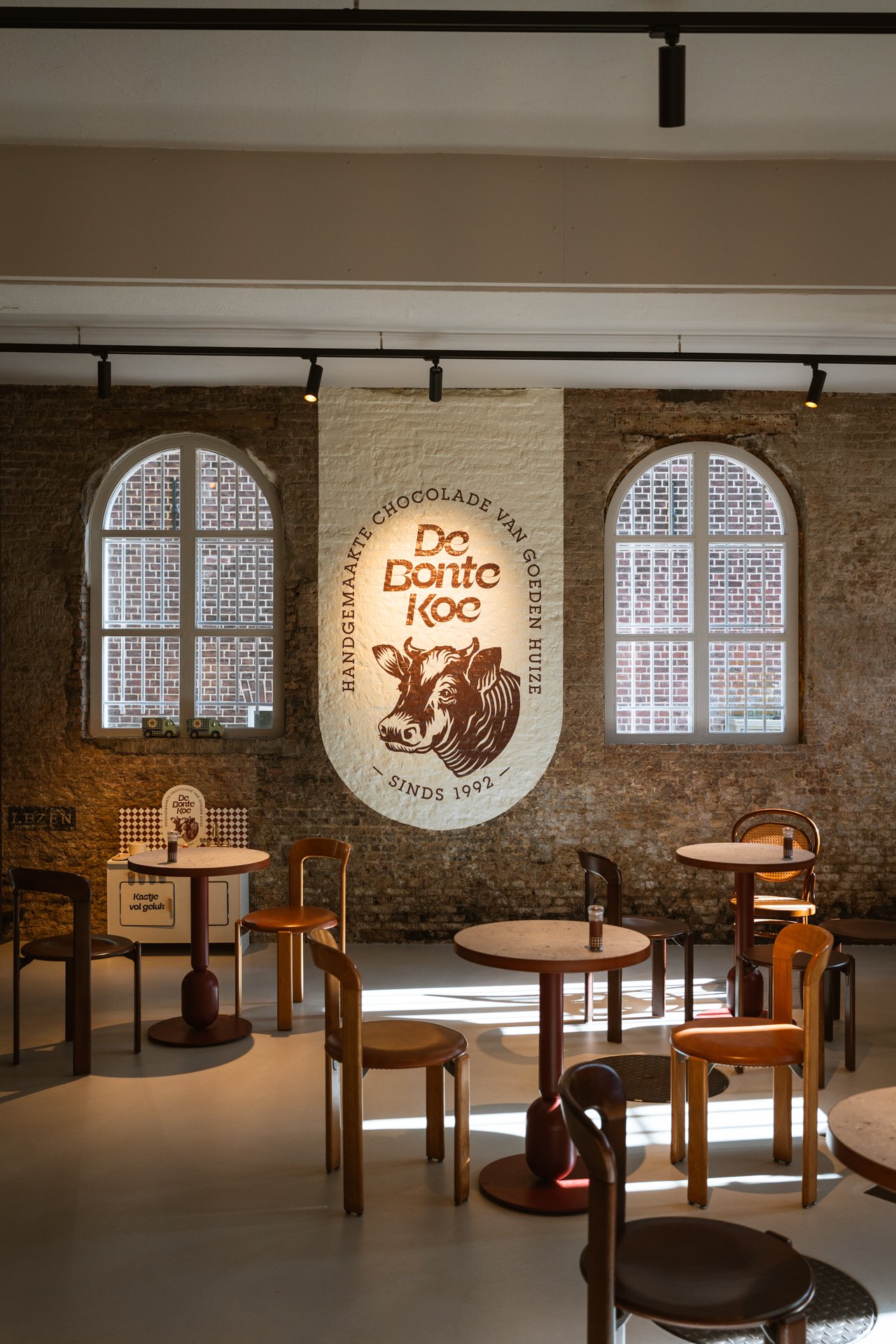
De Bonte Koe Chocolade
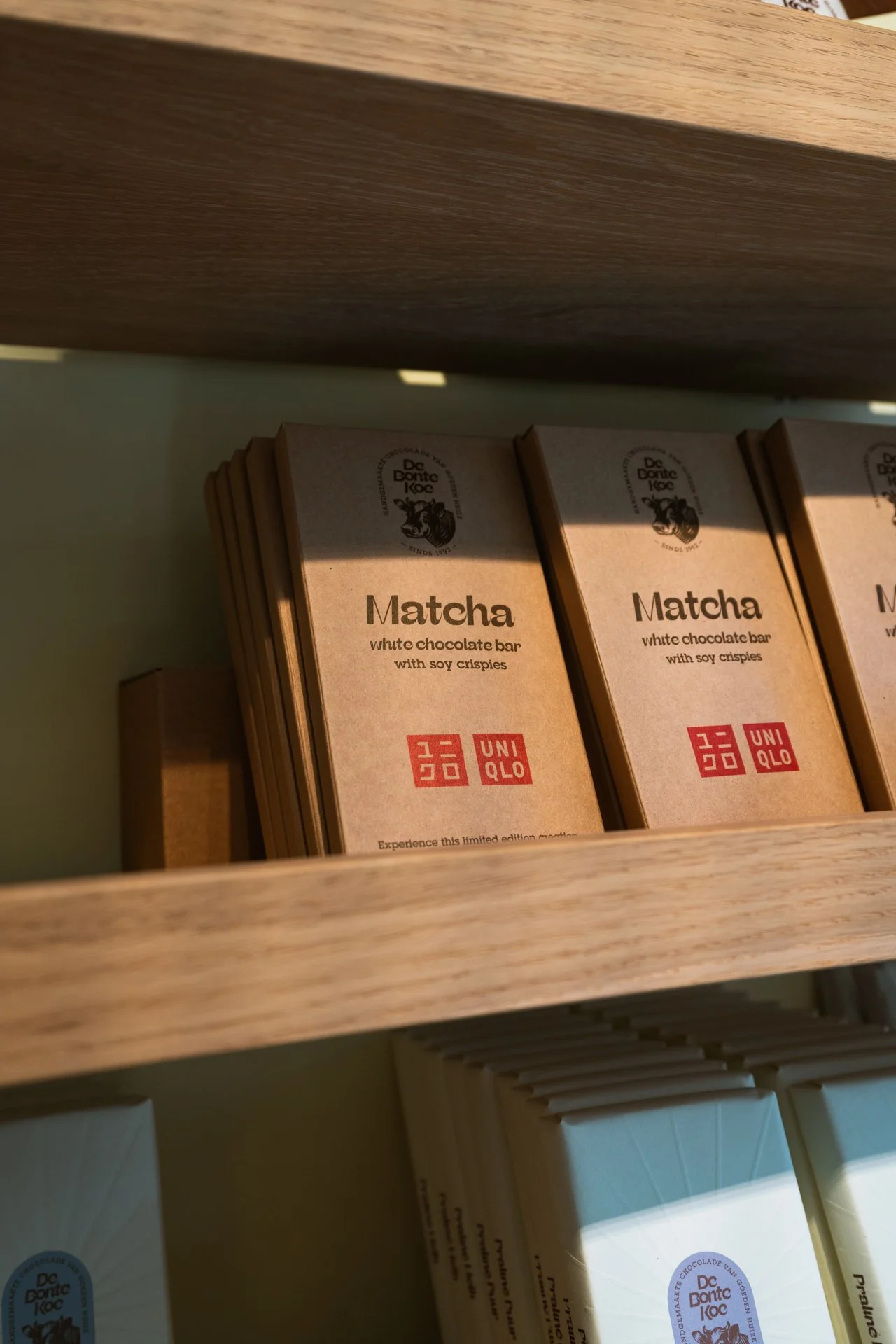
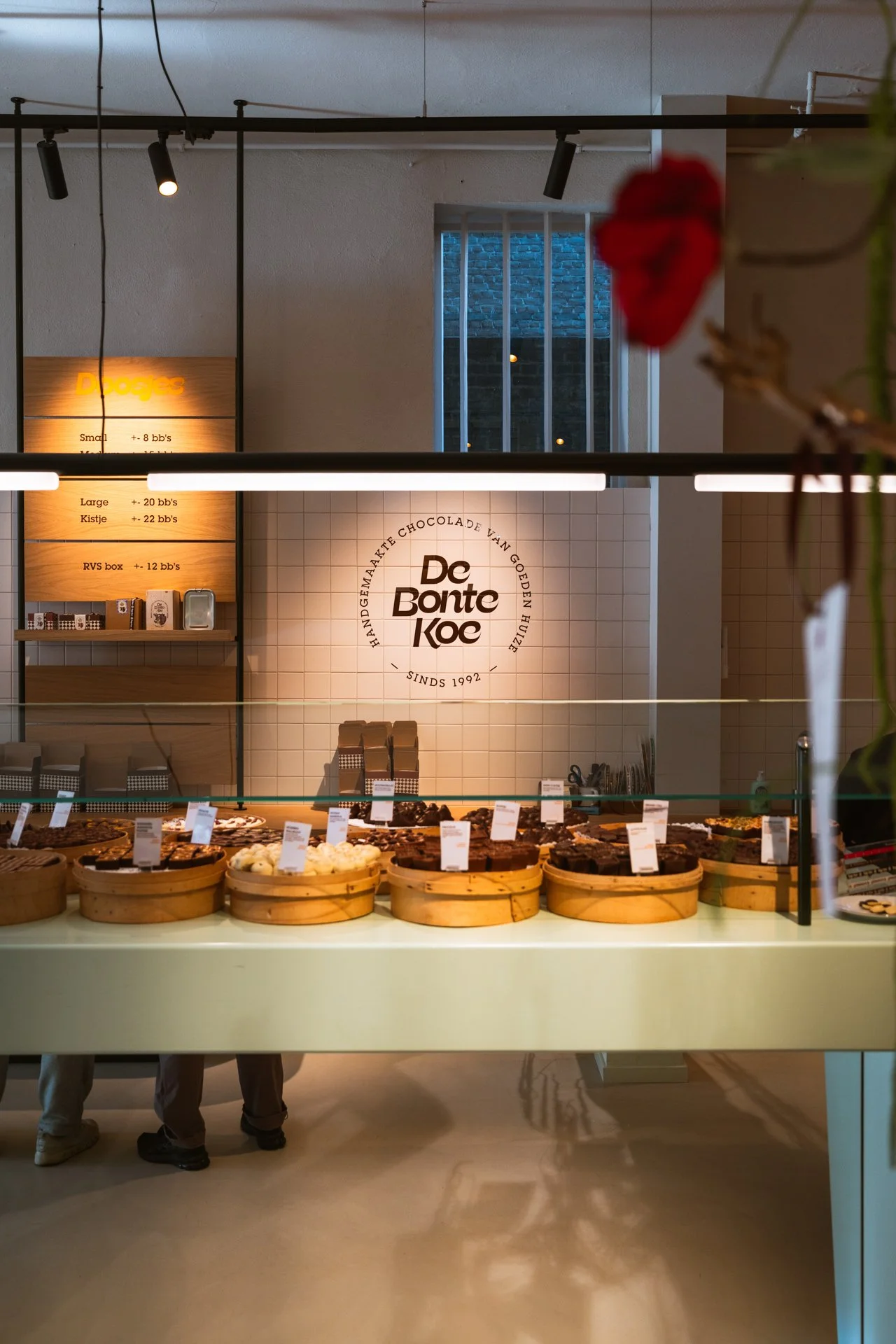
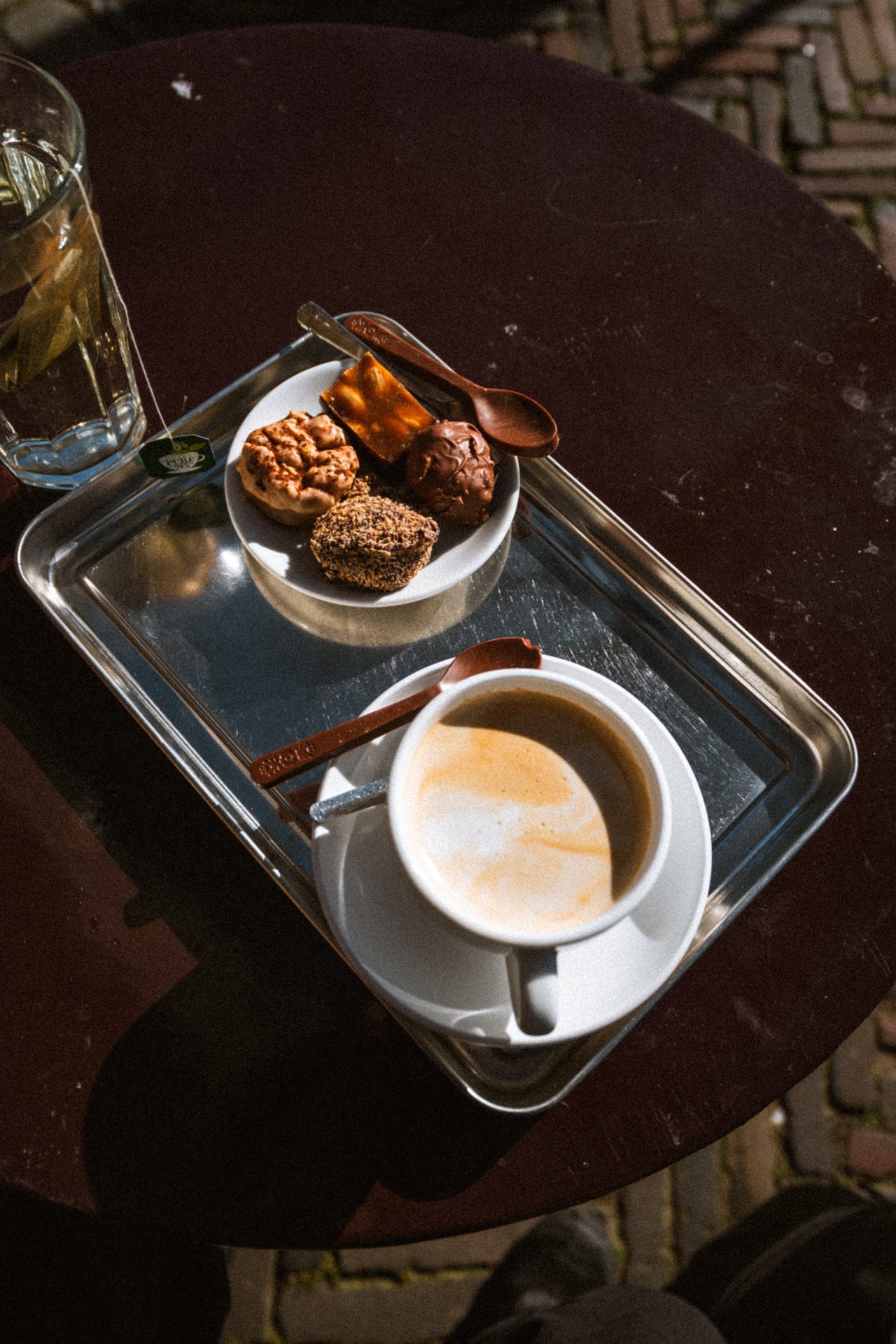
After that came De Bonte Koe Chocolade, which fits Schiedam especially well because it is tied to the city’s identity rather than feeling like a random sweet stop. De Bonte Koe is a family business founded in 1992, and one of its Schiedam locations is in a former distillery building. That old industrial setting links the chocolate shop back to Schiedam’s distilling past, which makes it feel very rooted in the city.
Kinderdijk
If there is one easy extra suggestion for anyone with another day, it would be Kinderdijk. I had already been there before, and it is really such a lovely place. The Kinderdijk-Elshout mill network is a UNESCO World Heritage Site and is one of the clearest examples of how the Dutch have managed water for centuries through dikes, channels, pumping systems, and windmills. It gives you a different side of the Netherlands again, one that is less urban and more about landscape, engineering, and water history.
