
Munich
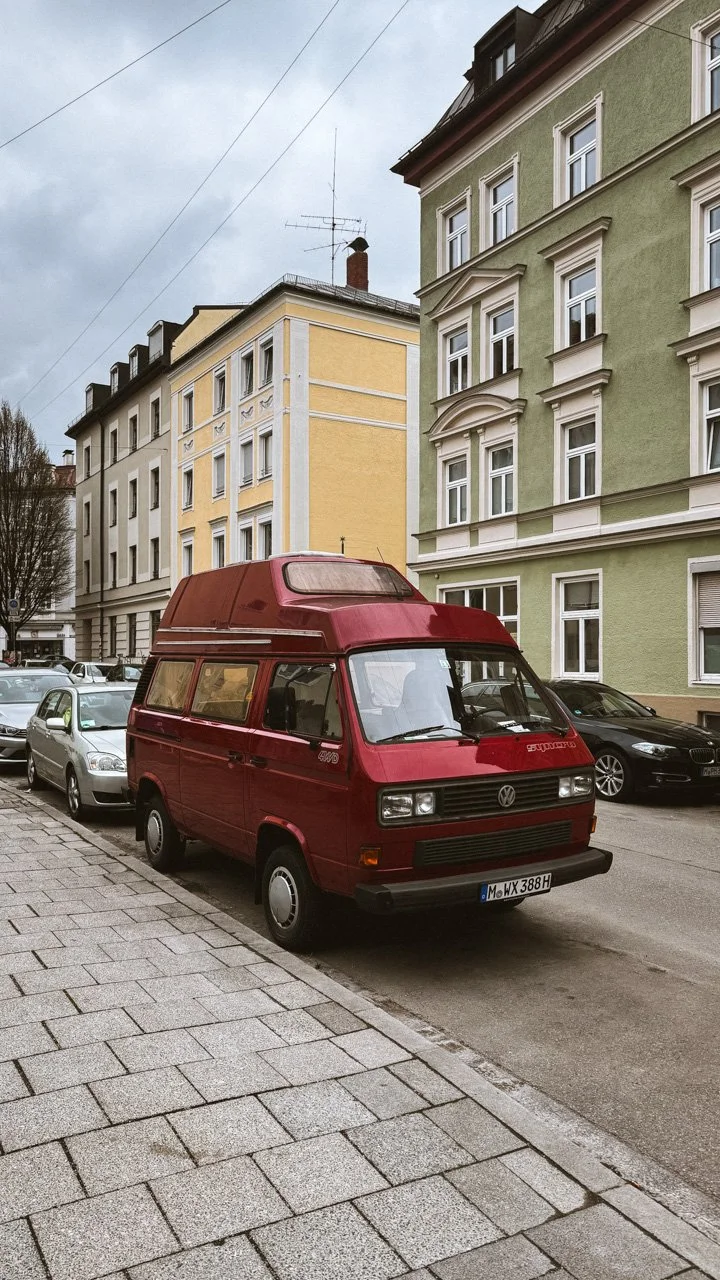
Munich is one of those cities where history and everyday life seem to sit very naturally together. Founded in 1158 and shaped for centuries by the Bavarian rulers, it still carries that royal and historic character, especially in places like the Residenz. At the same time, Munich is not only about grand buildings and tradition. It is also a city of strong café culture, beer halls, local food, and long walks by the Isar. That mix is what makes it interesting: you can spend the day moving between palace history, modern design, specialty coffee, and very classic Bavarian places, and somehow it all still feels coherent.
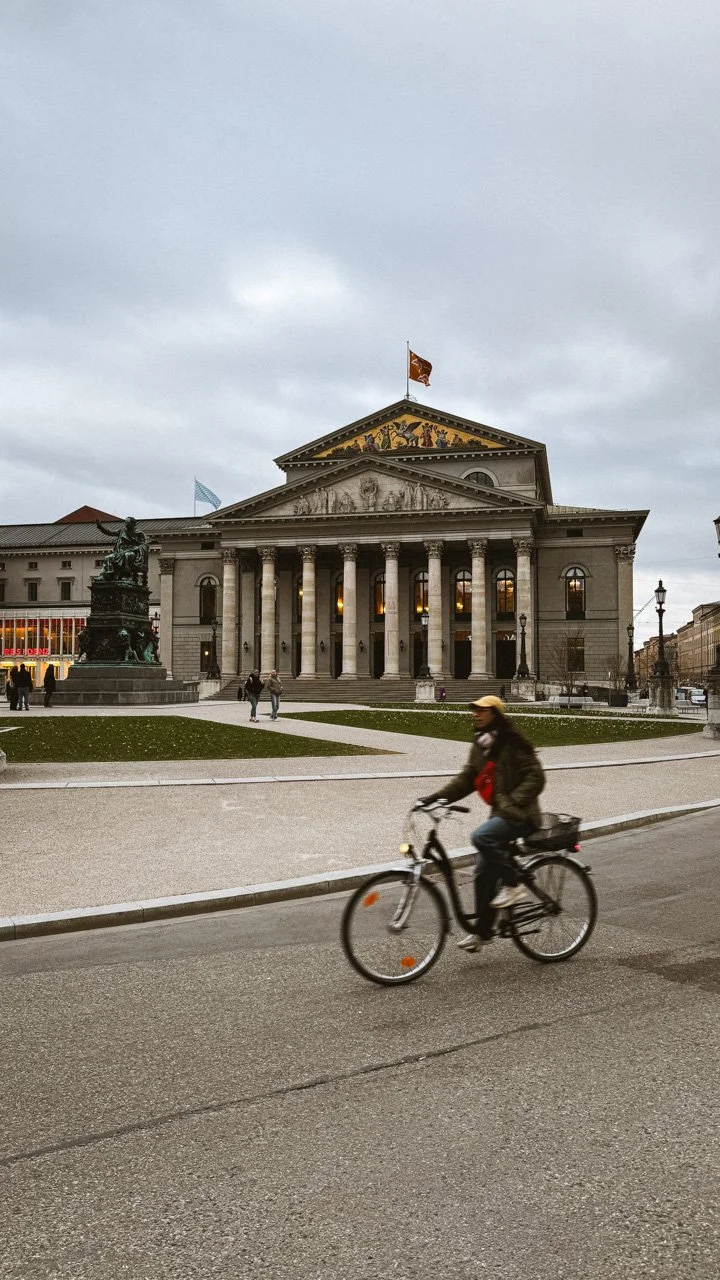
Residenz München
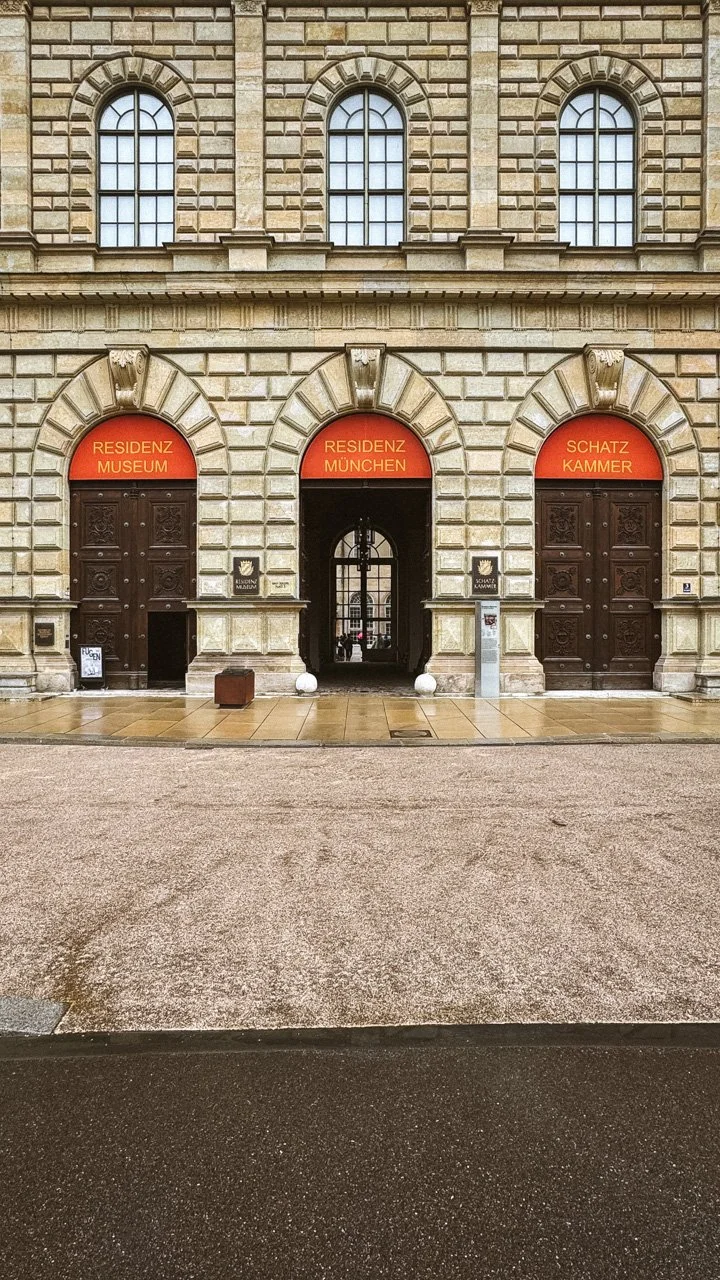
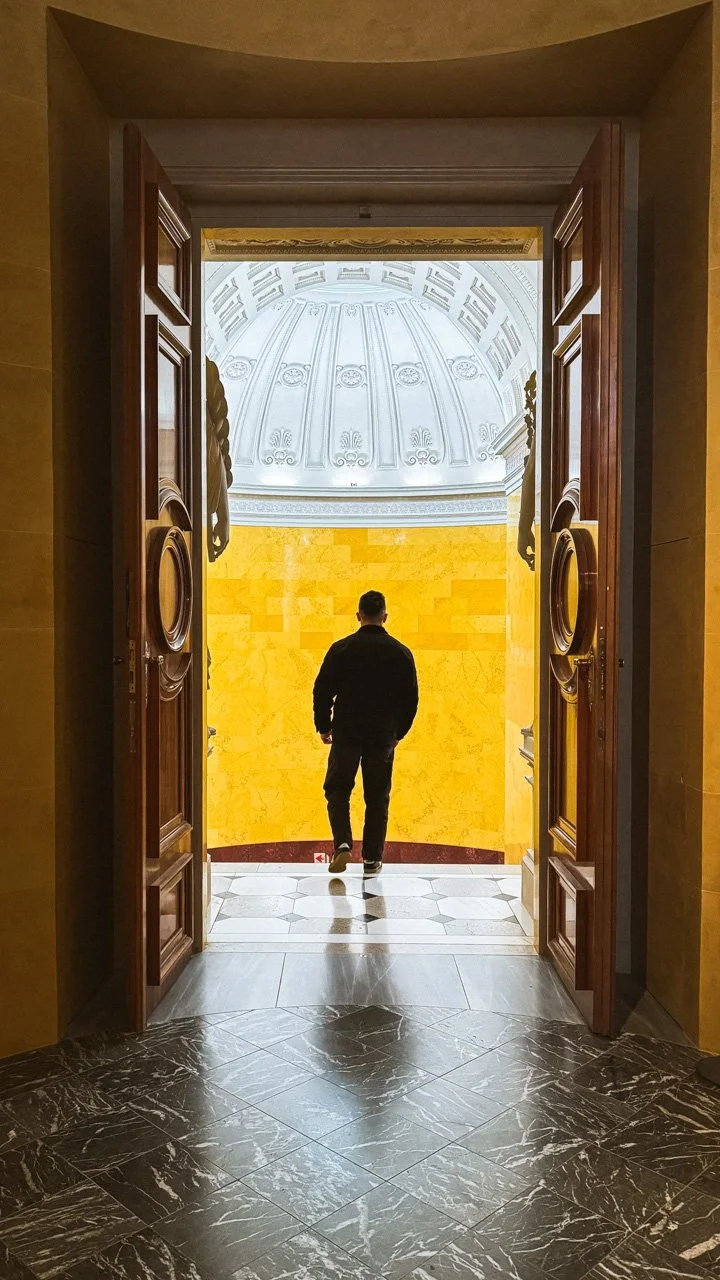
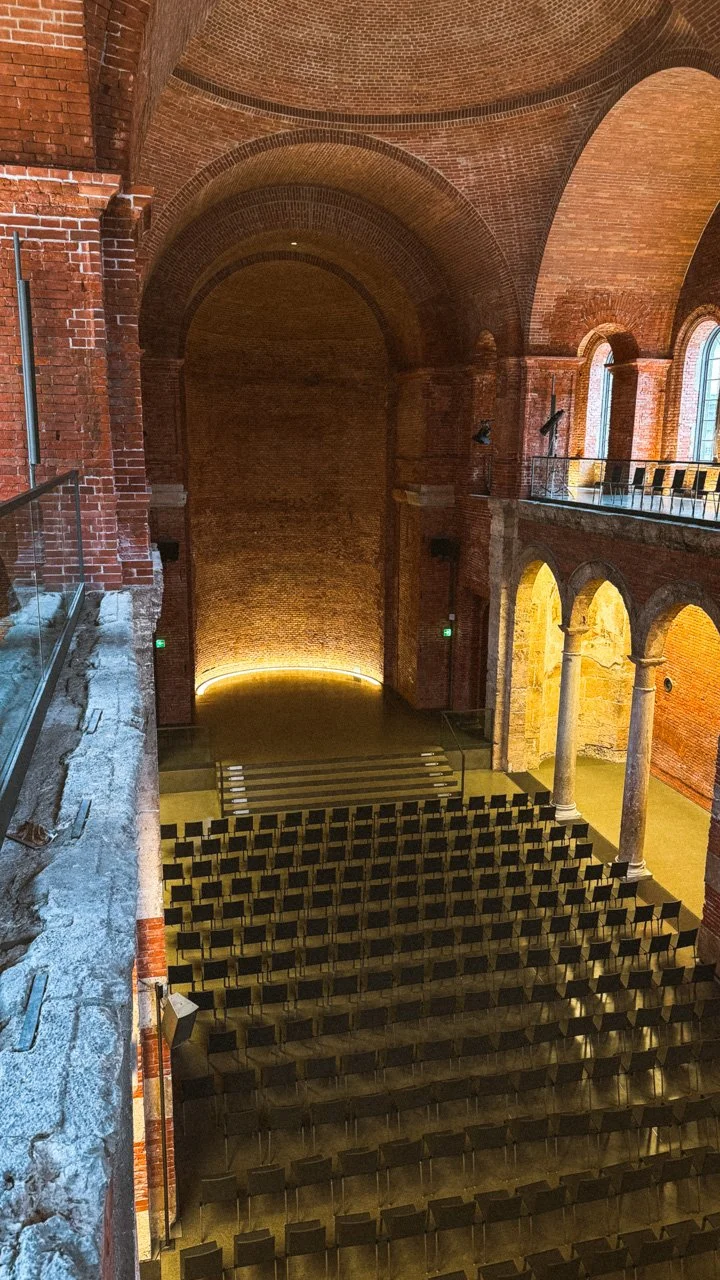
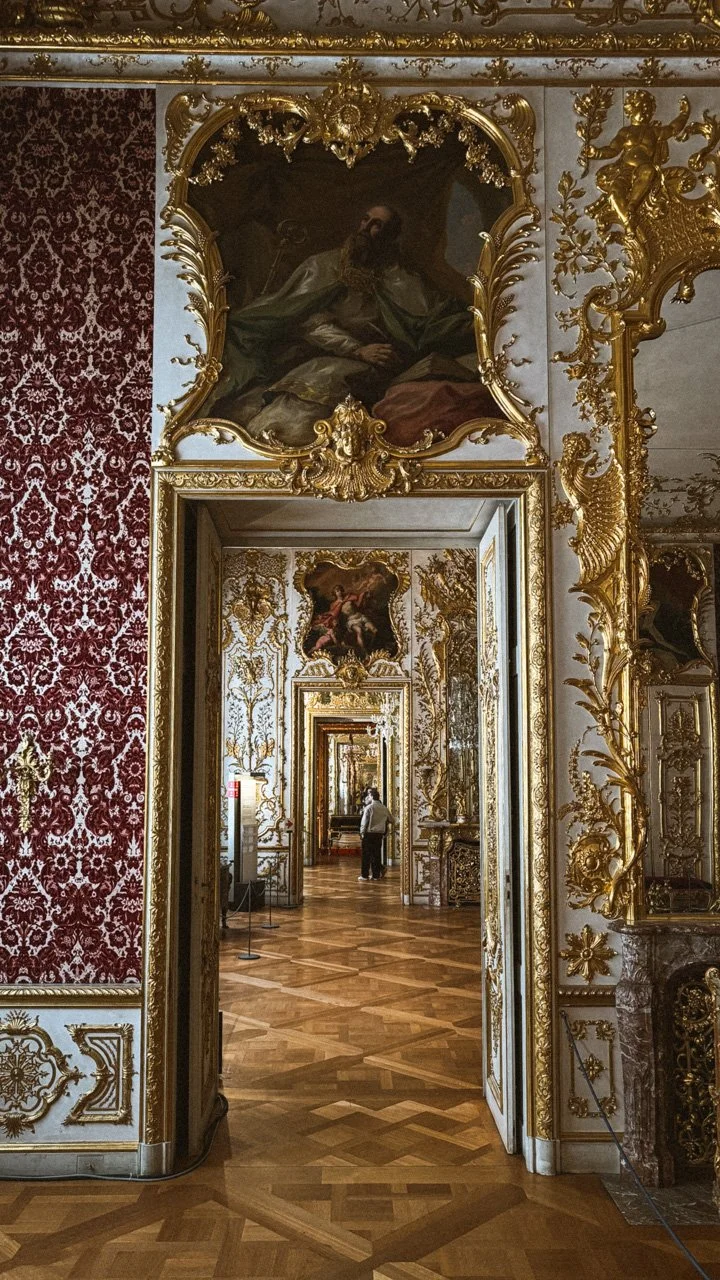
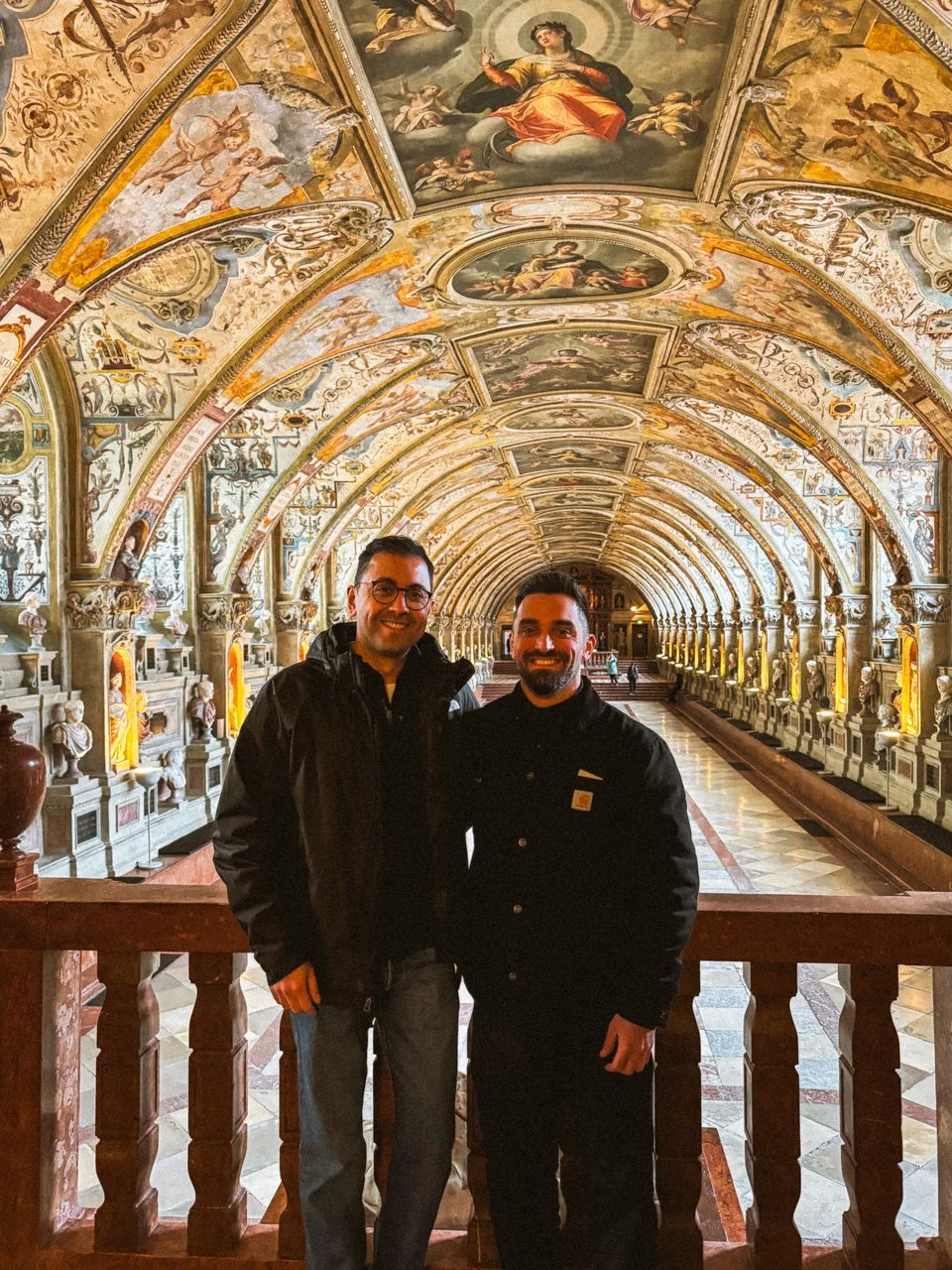
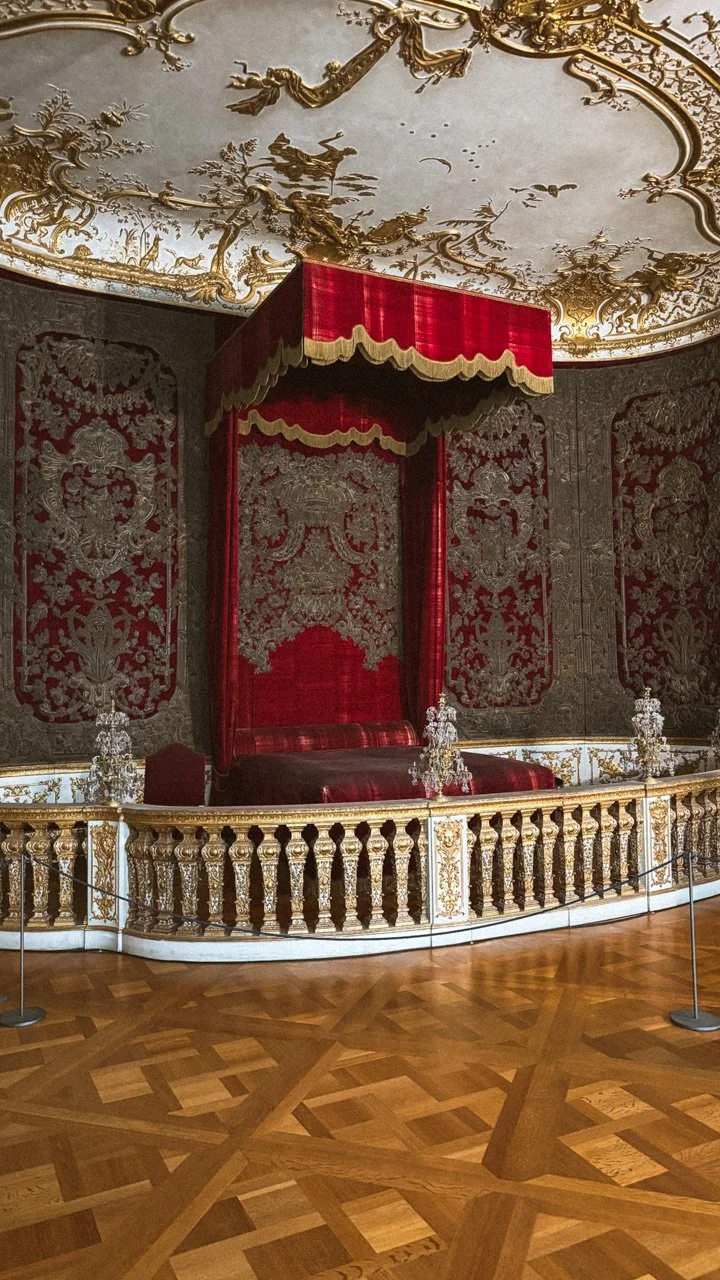
The Residenz is one of the clearest places to understand Munich’s historical importance. It was the seat of government and residence of the Bavarian dukes, electors, and kings from 1508 to 1918, and what began as a castle in 1385 gradually expanded into an enormous palace complex. Today it is the largest palace in any German city centre and one of Europe’s major palace museums, which is why it feels much more than just another historic building on a sightseeing list.
BMW Museum
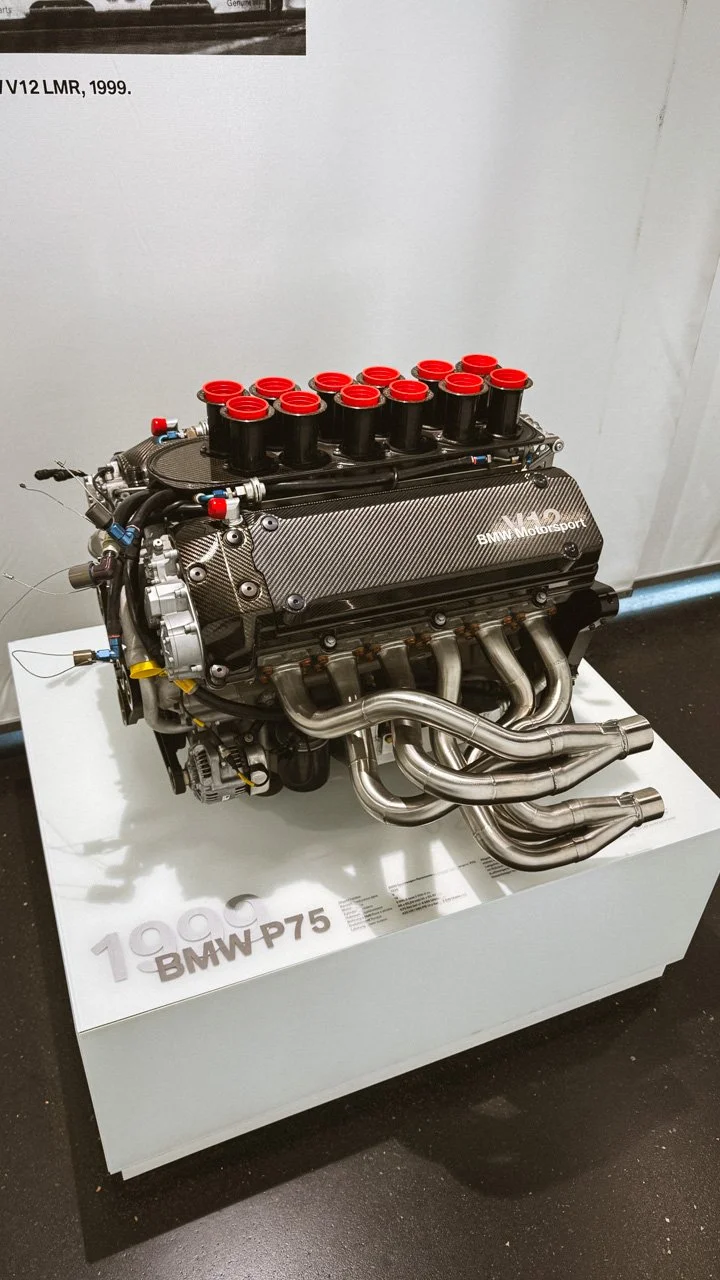
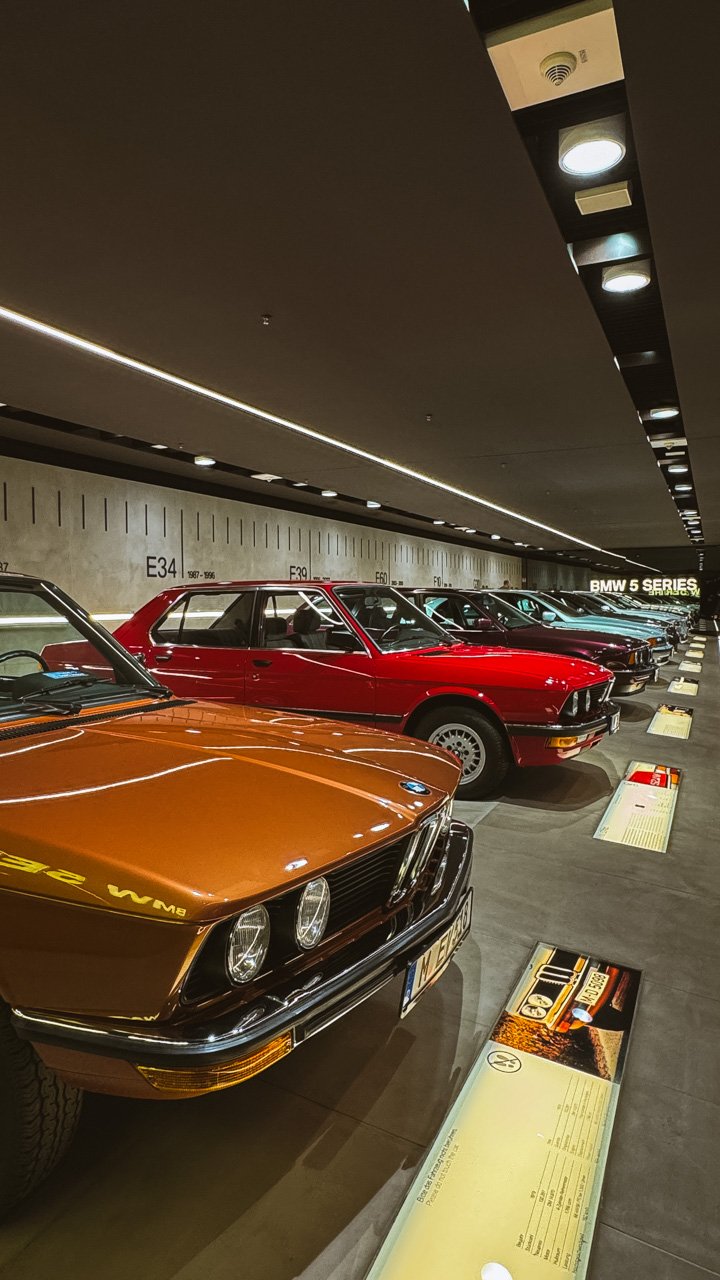
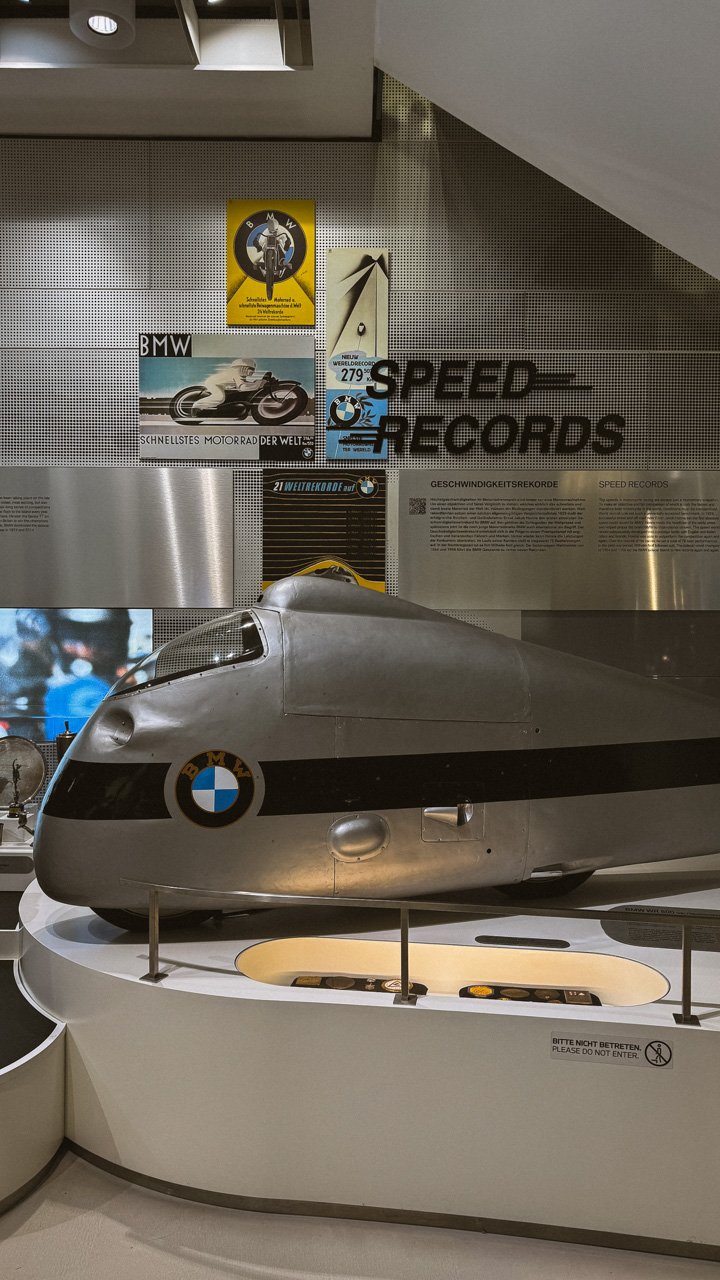
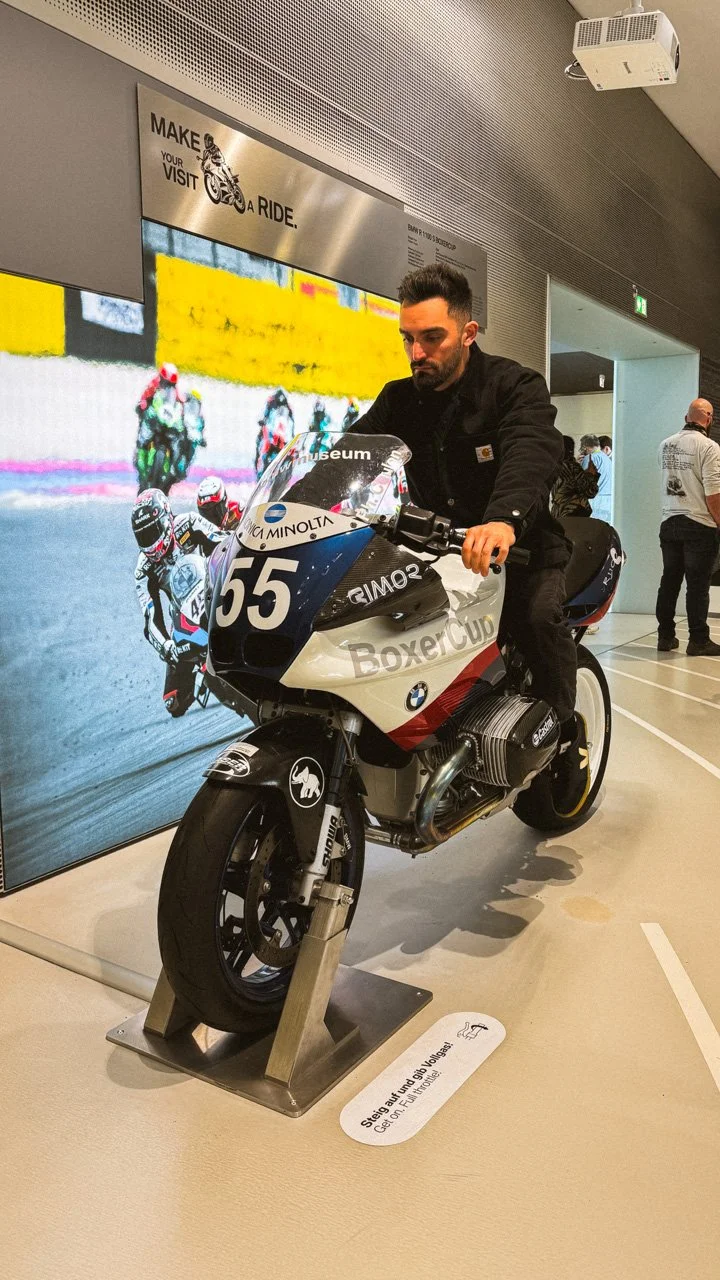
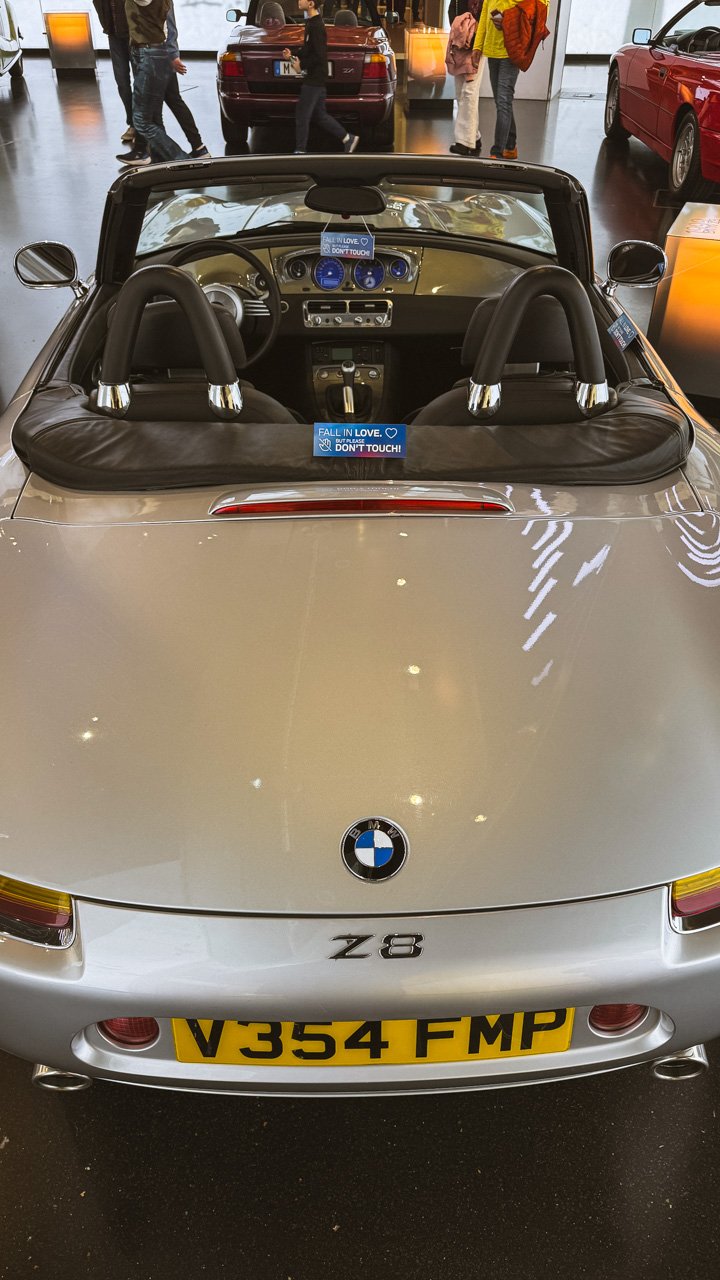
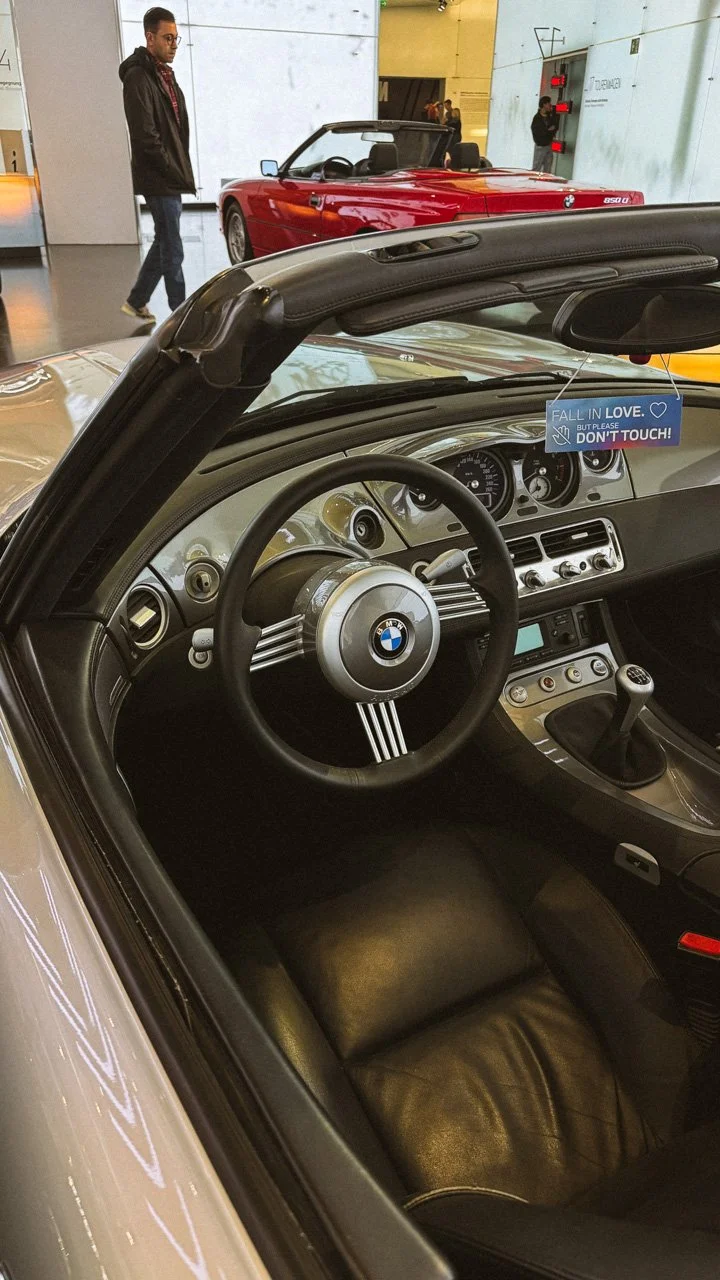
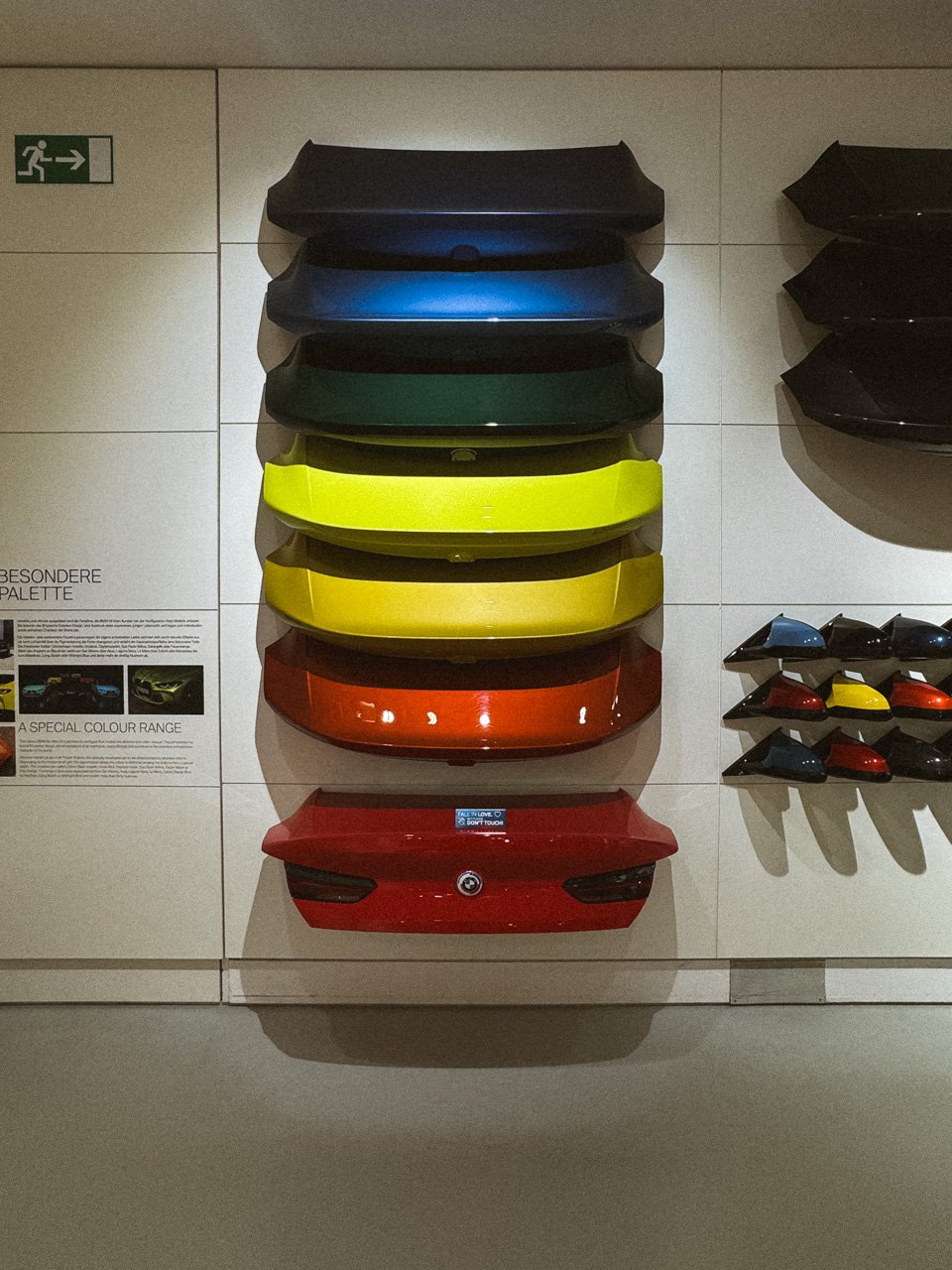
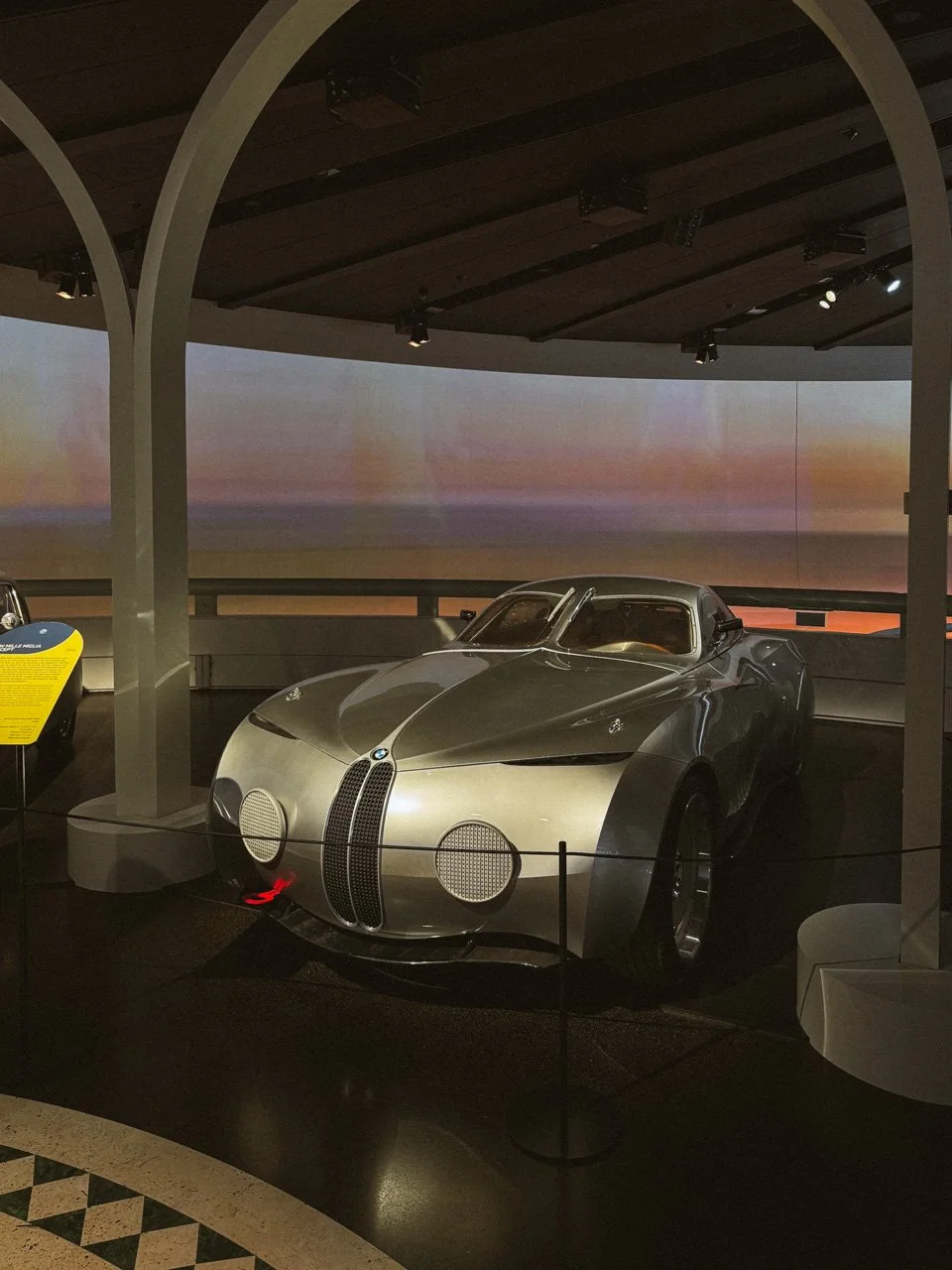
The BMW Museum shows the other side of Munich very well: not royal, but industrial, forward-looking, and deeply tied to German engineering identity. The museum traces the BMW brand from its beginnings to the present through engines, designs, prototypes, and historic models, and it sits next to BMW Welt in one of the city’s best-known modern architectural areas. In a city often associated first with beer halls and old-town tradition, the BMW Museum is a reminder that Munich is also one of Germany’s major technology and automotive centres.
Stray Coffee
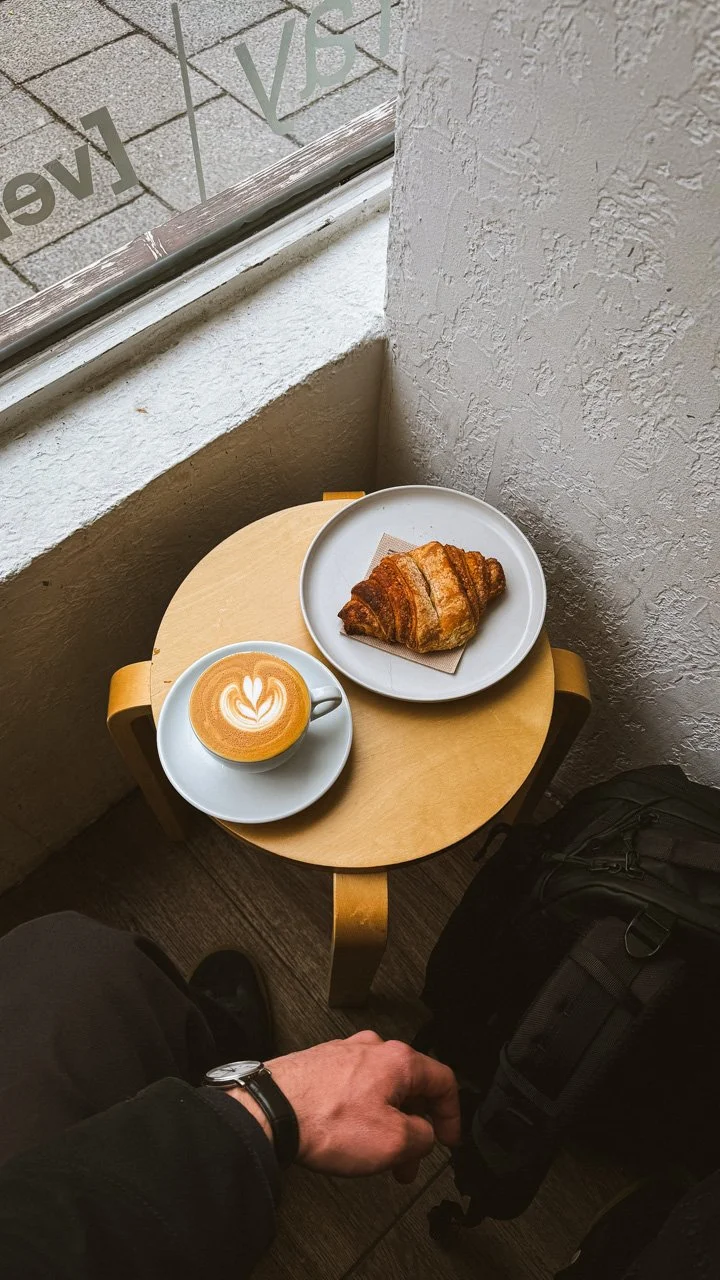
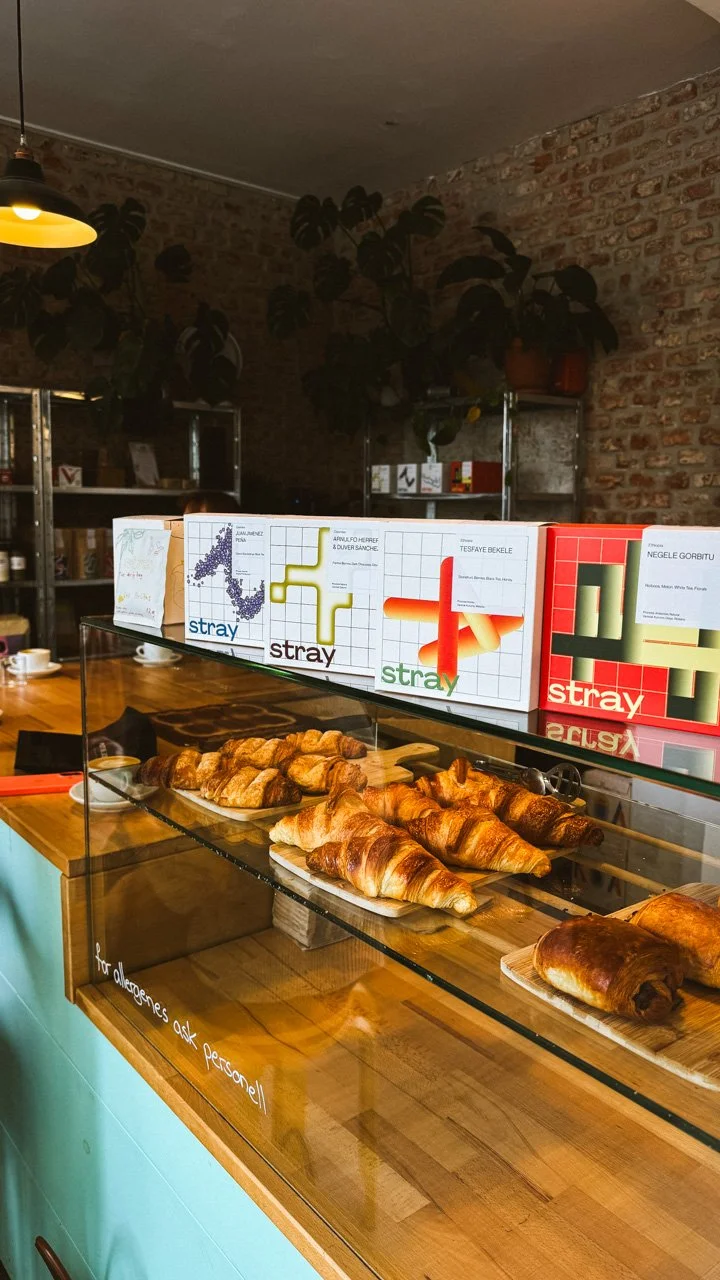
Stray Coffee Roasters fits well into a Munich trip if you want coffee that feels serious rather than generic. The roastery was founded in 2021 by Matthias Feldmeier and Ilan Bachl, and what stands out most is its transparency: the company says its coffees are named after the producers or cooperatives and that it communicates costs along the supply chain. That kind of sourcing-minded approach is a big part of why places like this attract specialty coffee people.
KANSO COFFEE LAB
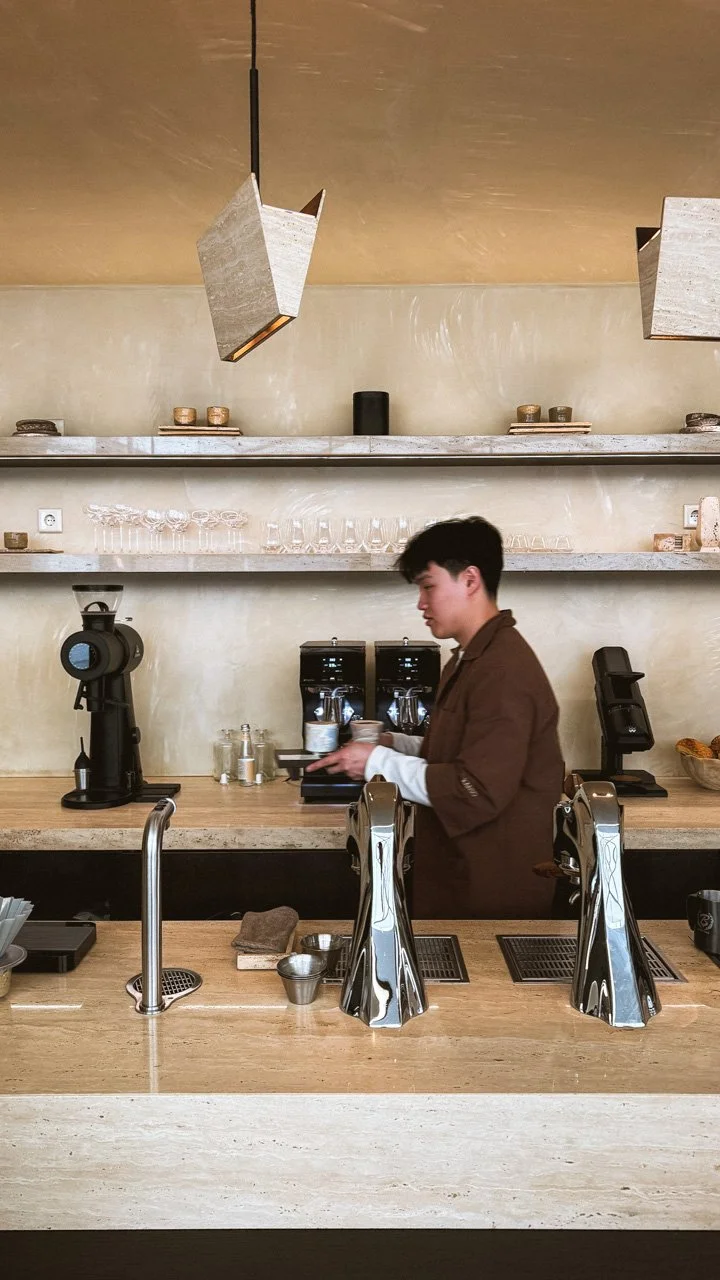
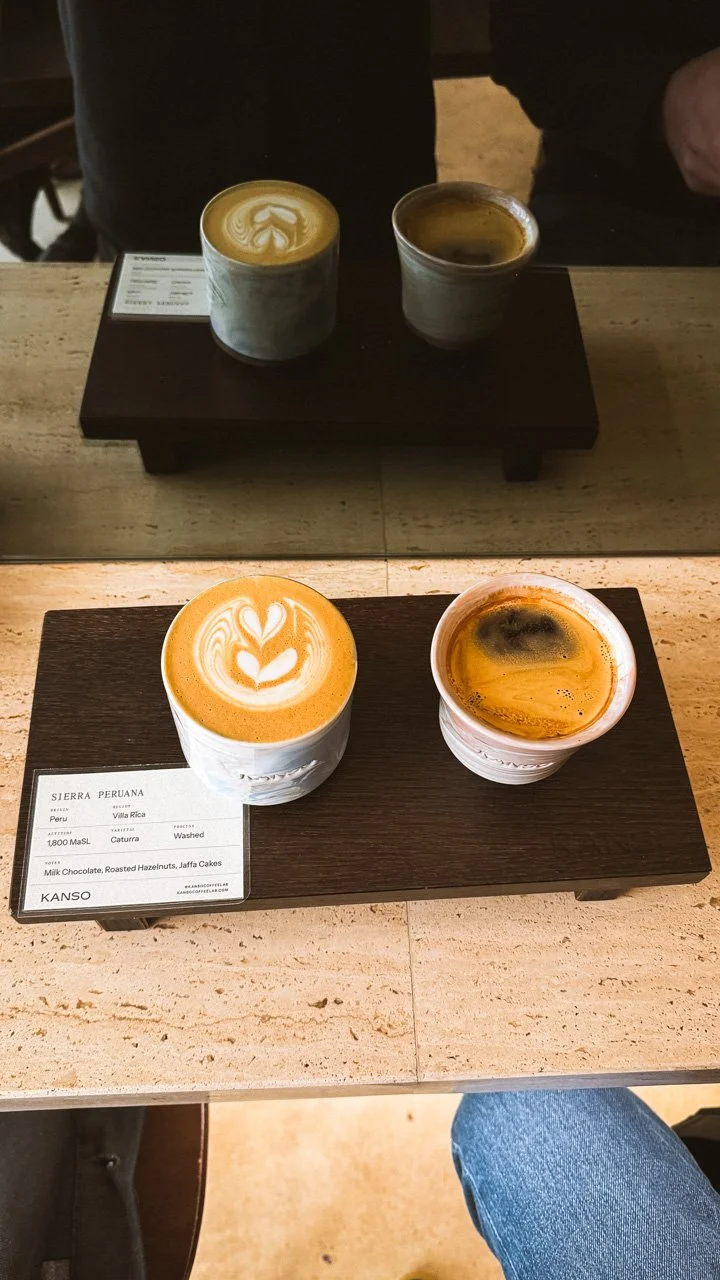
KANSO COFFEE LAB has a different appeal. It is tucked into the Residenzpassage on Theatinerstraße, and that slightly hidden location is part of what makes it stand out. European Coffee Trip lists it as serving espresso, filter coffee, cold brew, and plant-based milk, and most descriptions of the place focus on its quieter, more minimalist atmosphere. So it feels less like a loud café stop and more like a small specialty-coffee pause in the middle of the city.
Pas Normal Studios Munich
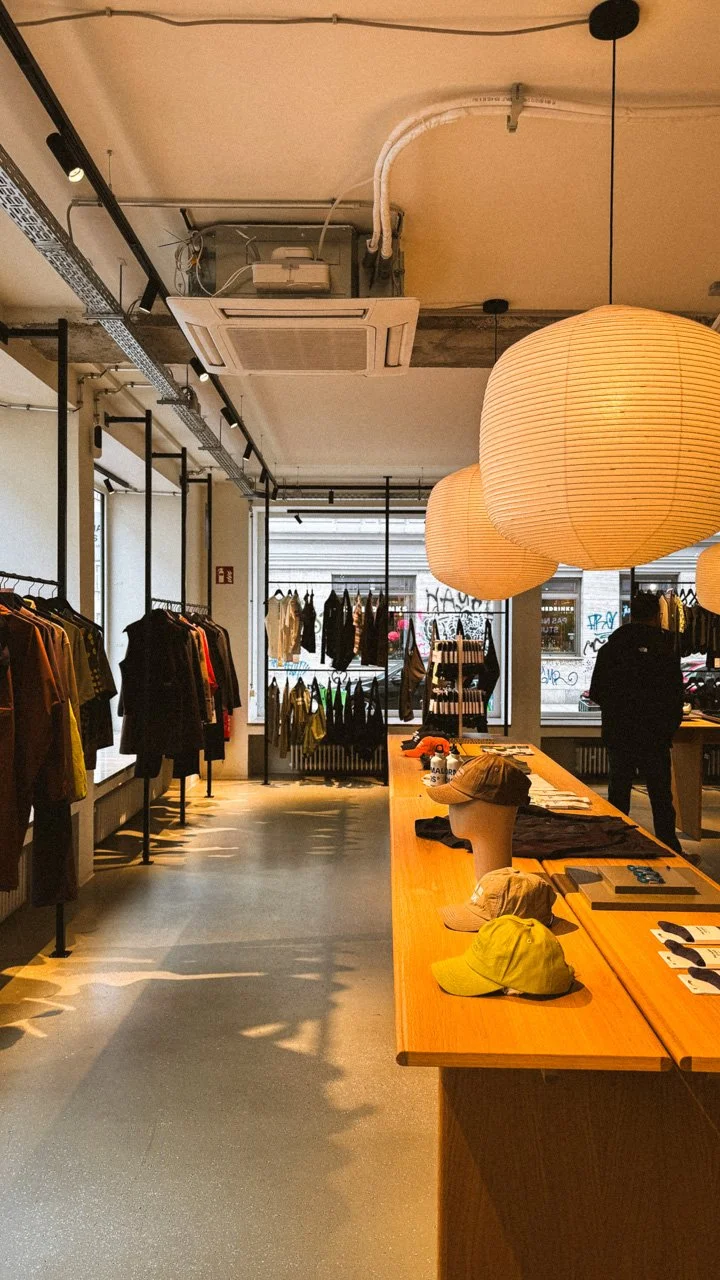
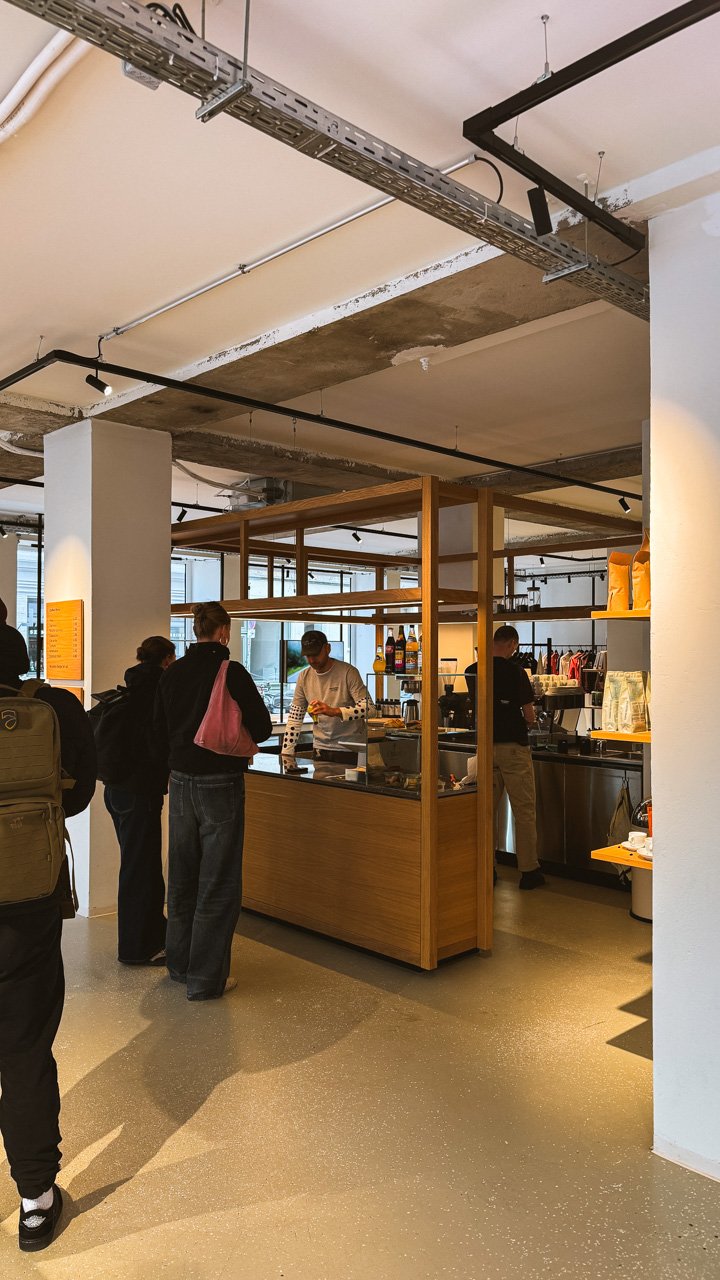
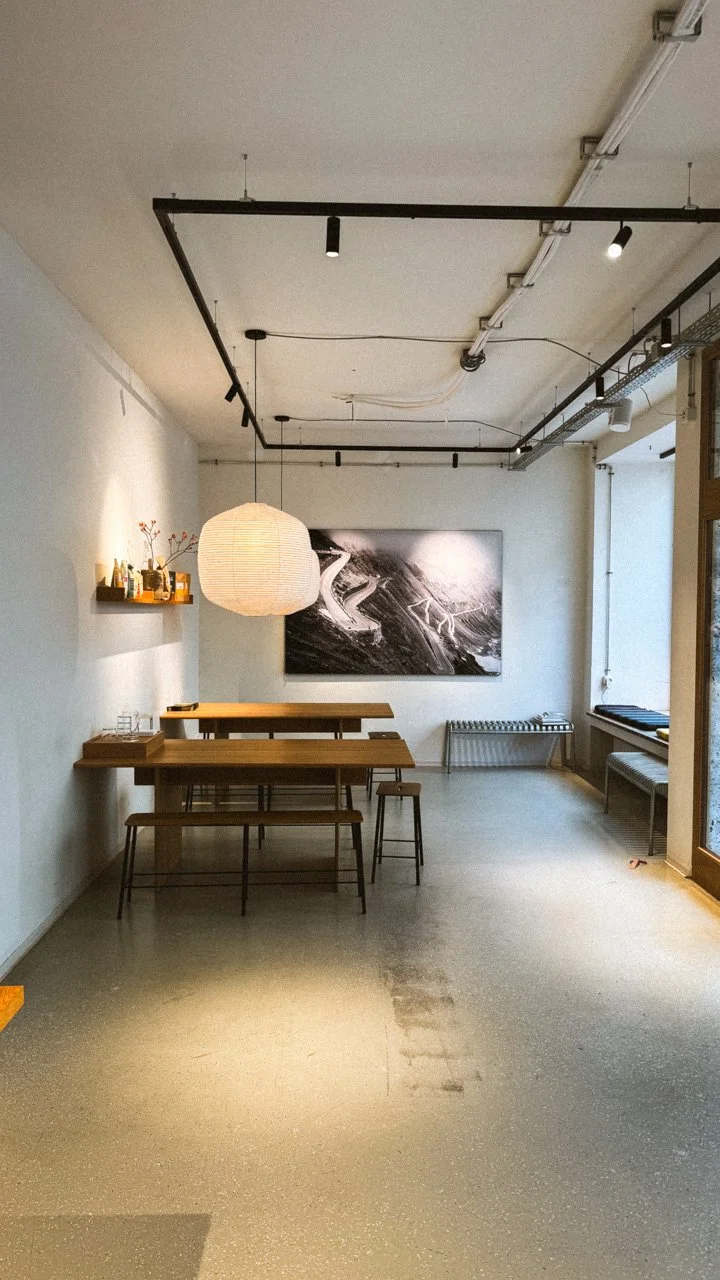
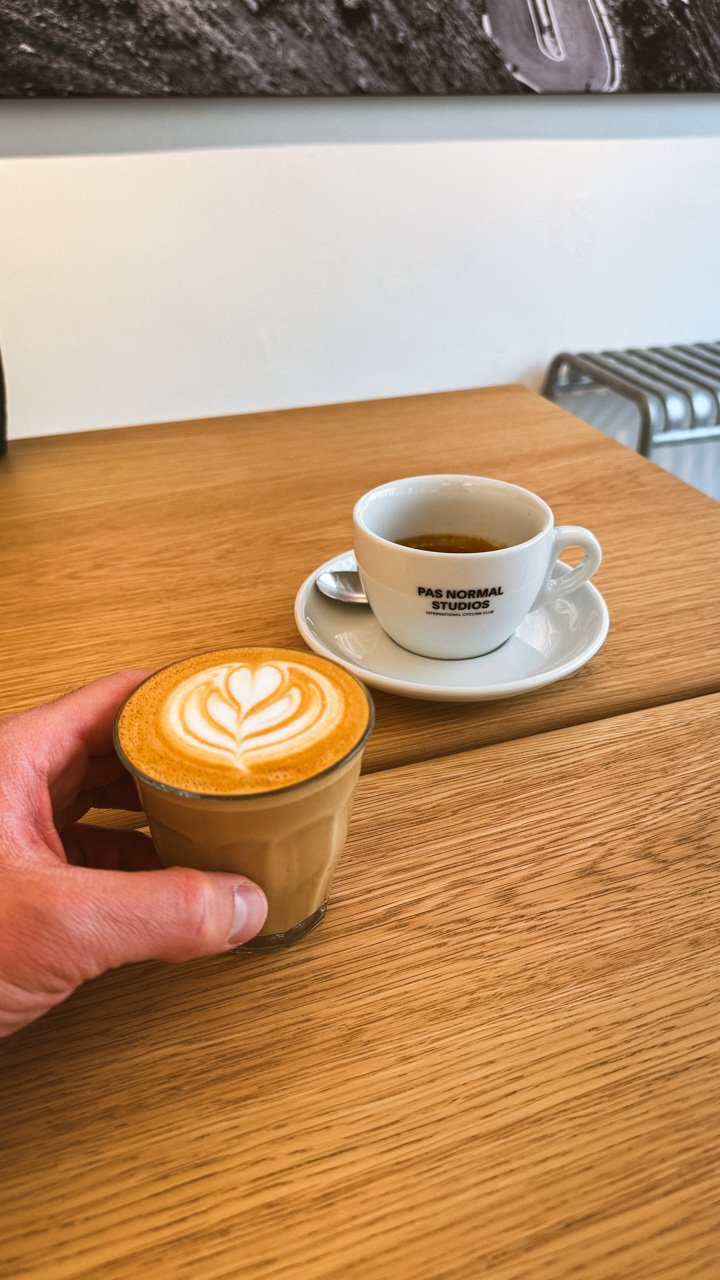
Pas Normal Studios Munich is not a classic coffee shop, which is exactly why it is an interesting stop. It is the brand’s Munich flagship in Isarvorstadt and presents itself as a hub for cycling culture, with premium apparel, rides, events, Coffee Collective brews, and curated food. That combination gives it a very specific identity: part store, part community space, and part café for people who are as interested in design and cycling culture as in coffee itself.
Marais
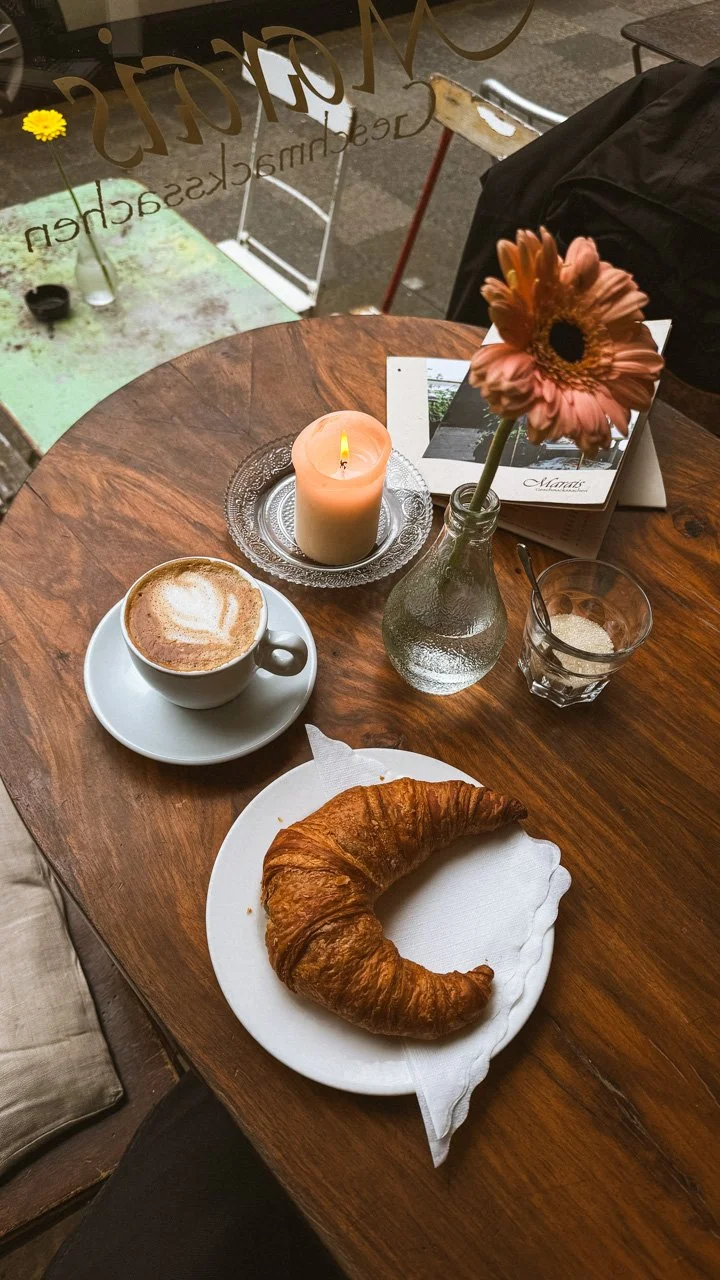
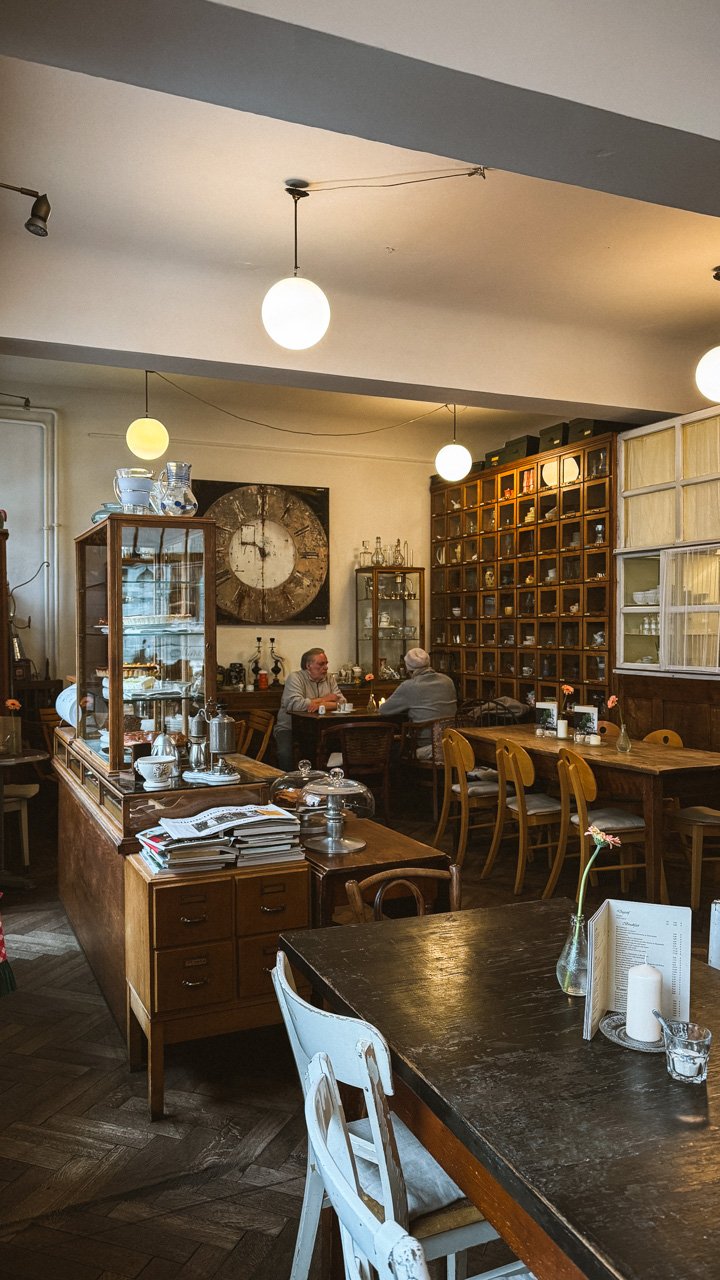
Marais is a café in Munich’s Westend that stands out more for its atmosphere than for its coffee. The space has a warm, stylish feel and works well as a stop during a walk around the city. It is the kind of place people like because it is pleasant to sit in and has a strong overall mood, even though the coffee itself feels more average than exceptional.
Augustiner Bräustuben
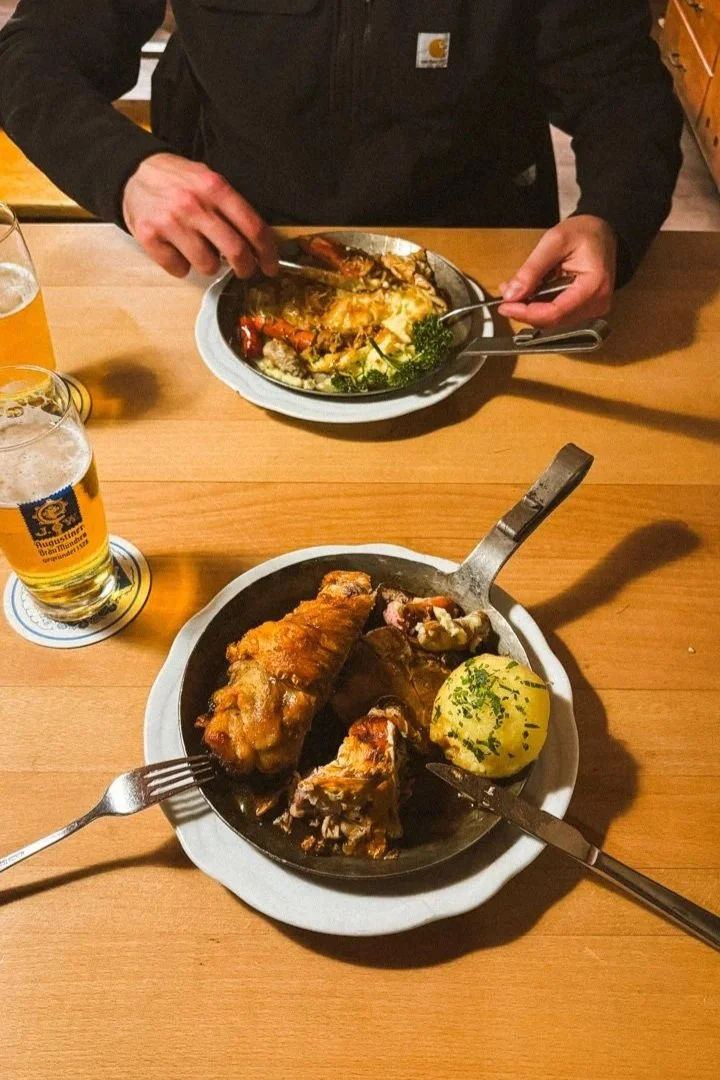
Augustiner Bräustuben is one of Munich’s classic beer halls. It opened in 1994 on Landsberger Straße, on the site of former brewery horse stables, and it is closely linked to Augustiner-Bräu, which dates back to 1328 and is widely described as Munich’s oldest private brewery. That history is part of why the place feels so established: it is not just somewhere to eat and drink, but part of the city’s long beer tradition.
Augustiner-Keller
Augustiner-Keller is even more deeply rooted in Munich tradition. Its history goes back to at least 1812, when the site was first mentioned as a beer storage facility, and the venue later developed into one of the city’s classic beer gardens. The house’s own material says that since 1896 it has been run exclusively for hospitality and that the garden has around 5,000 seats, which helps explain why it feels like such a major institution rather than just another restaurant.
Steinheil 16
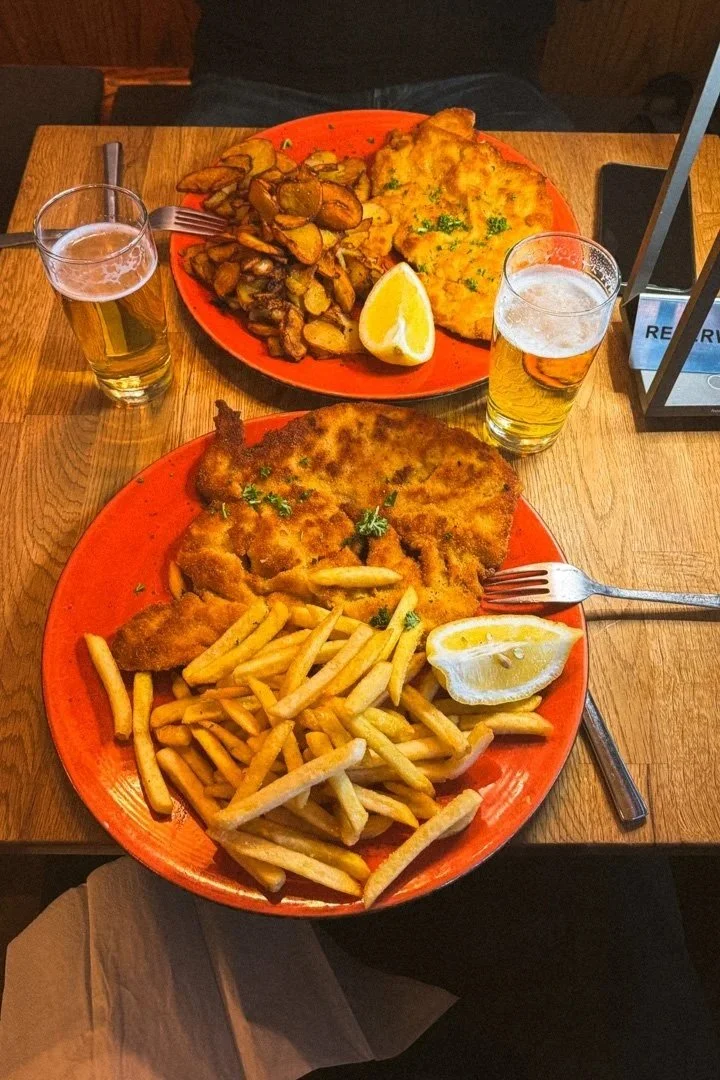
Steinheil 16 adds another very Munich kind of food stop: straightforward, central, and known for generous plates. Officially, it places itself in Maxvorstadt near the Pinakotheken, Königsplatz, and TU München, so it sits in one of the city’s most useful areas for walking around. And even in its own social channels, it leans into the idea of being known for “the famous schnitzels from Munich,” which explains why the place has such a strong reputation for classic comfort food.
A walk around the Isar
One of the nicest parts of Munich is that it does not only work as a museum-and-food city. A walk around the Isar shows a softer side of it. Official Munich tourism describes the river as one of the city’s most authentic spaces, with paths, gravel banks, swimming areas, jogging routes, and places where people simply spend time outdoors. The Isar runs through Munich for around 14 kilometres, and that helps explain why walking there feels less like a tourist stop and more like stepping into everyday city life.
The feeling of the trip
What makes Munich work so well in this kind of format is that the city naturally combines different moods. You can go from the Residenz and royal history to the BMW Museum and modern design, then from specialty coffee to Augustiner beer halls, and still end the day with a walk by the Isar. That mix is probably what stays with people most: Munich feels traditional, but never only traditional.
